Most homeowners assume the kitchen and laundry run entirely on electricity, right up until a higher gas bill or a pilot light that won’t stay lit proves otherwise. Gas quietly powers more of the average home than people expect. About 60% of U.S. homes rely on natural gas for space and water heating, cooking, and clothes drying, according to the U.S. Energy Information Administration.
The tricky part is that many families never learn which appliances burn gas until something breaks. Knowing what appliances use gas in the house helps you spot trouble early, stay safe, and keep every unit working the way it should.
Which Appliances in Your Home Use Gas?
Gas appliances show up in nearly every part of the house, from the basement furnace to the backyard grill. Some are obvious, while others surprise people once they take a closer look.
Furnaces and Gas Heating Systems
Gas furnaces and boilers are the biggest gas users in most homes, and they handle the heavy work of warming your space all winter. The furnace burns natural gas to heat air that travels through your ducts, while a boiler heats water for radiators or baseboards. Both run efficiently and warm a house faster than most electric systems, which keeps them popular across colder regions.
Gas Water Heaters
Your water heater likely runs on gas if it sits in a garage or utility closet with a small flame visible near the base. Gas models heat water quickly and refill the tank faster than electric versions, which means you rarely run out during back-to-back showers. Regular flushing keeps sediment from building up and protects the burner over time. If the flame ever burns weak or the water turns lukewarm, a quick water heater repair usually solves it.
Stoves, Ranges, Ovens, and Cooktops
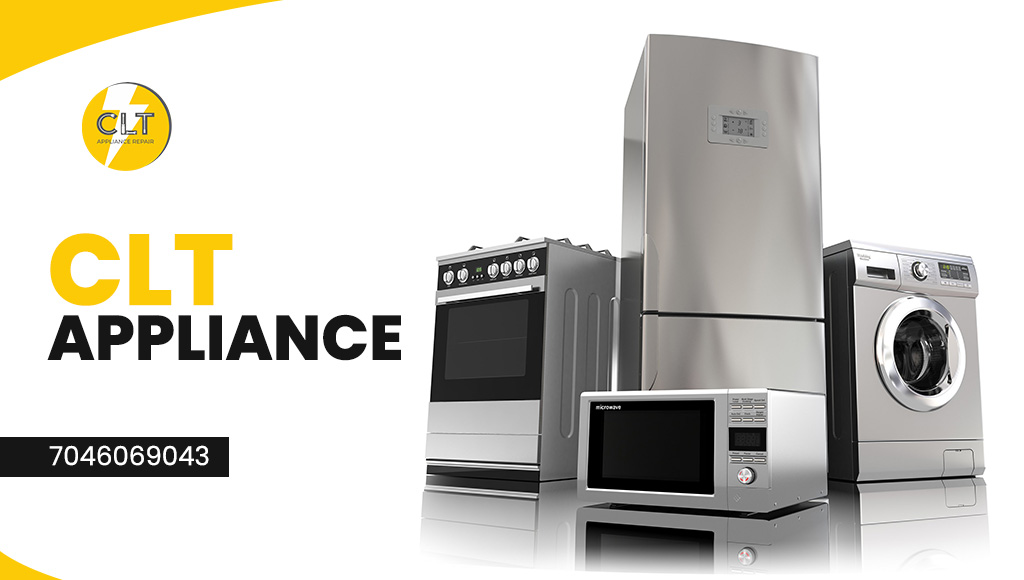
Gas cooking appliances are easy to spot because they use an open flame instead of a heating element. Cooks tend to prefer them for the instant heat control and the way the flame responds the moment you turn the dial. Gas ranges combine an oven and cooktop in one unit, while separate cooktops and wall ovens give you the same flame-based cooking in a custom layout.
Gas Clothes Dryers
Gas dryers use a burner to create heat while the drum and controls still run on electricity. These models dry clothes faster and cost less to operate than electric dryers in most areas, which adds up over years of laundry. The gas line and vent need occasional checks to keep everything running safely and efficiently.
Gas Fireplaces and Logs
Gas fireplaces deliver the look of a real fire without the wood, ash, or constant tending. Some light with a switch or remote, while others use a standing pilot that stays lit and ready. They warm a room quickly and work well as a backup heat source when the main system struggles.
Outdoor Gas Appliances
Gas does plenty of work outside the house too, usually powered by natural gas lines or propane tanks. Several common ones show up in most yards:
- Grills: Fire up fast and hold steady heat for cookouts and weekend dinners.
- Pool and hot tub heaters: Warm the water far quicker than electric heaters.
- Patio heaters: Extend outdoor evenings well into the cooler months.
- Fire pits: Give you a clean flame with no smoke or ash to clean up.
These units add real comfort to a backyard, though they still need the same care as indoor appliances. A yearly check on the connections and burners keeps them safe and ready to use.
How to Tell If an Appliance Is Gas or Electric?
Telling a gas appliance from an electric one takes only a quick look in the right spots. A few simple signs point you to the answer:
- Visible Flame or Pilot Light: Gas units burn a small blue flame you can often see.
- Gas Shutoff Valve: Round or lever handles on the pipe behind the unit point to gas.
- Yellow-Coated or Black Gas Line: Flexible gas connectors look different from electric cords.
- Fuel Type on the Rating Plate: The label on the back or inside the door names the power source.
When none of these signs appears, the appliance almost certainly runs on electricity. If the setup still leaves you guessing, our team at CLT Appliance Repair can confirm the fuel type in seconds during any service visit.
Gas vs Electric Appliances: What’s the Difference?
Homeowners often weigh gas against electric when it is time to replace an appliance, and each option fits different needs. The main differences come down to cost, speed, and installation.
| Factor | Gas Appliances | Electric Appliances |
| Running cost | Lower in most areas | Higher where power costs more |
| Heat and speed | Instant, heats faster | Slower to warm up |
| Upfront price | Often higher | Usually lower |
| Installation | Needs a gas line | Plugs into standard power |
| Use during outages | Many still work | Stops without electricity |
Gas tends to win on running cost and performance, while electric wins on simpler installation and a lower starting price. Your existing hookups often decide for you, since adding a gas line costs more than using the power already in place.
Are Gas Appliances Safe?
Gas appliances are safe when installed correctly and maintained on schedule, which describes the vast majority of homes. The risks are real, though, and knowing the warning signs helps you act before a small issue grows.
Gas Leaks and What They Smell Like
Natural gas has no odor of its own, which is why utilities add a chemical that smells like rotten eggs to make leaks easy to notice. That smell near an appliance means you should leave the house and call your gas company or 911 from outside. Avoid flipping switches or lighting anything until a professional clears the area.
Carbon Monoxide Risk
Carbon monoxide is a colorless, odorless gas that a poorly vented appliance can release. One working detector on every floor is the simplest way to catch it early, since the symptoms of exposure feel a lot like the flu. Headaches, dizziness, and nausea that ease once you leave the house are worth taking seriously.
Warning Signs a Gas Appliance Needs Attention
Small changes in how an appliance runs often point to a problem worth checking. Watch for these signs:
- Yellow or orange flame: Healthy gas flames burn blue, and a yellow or orange one signals incomplete combustion that needs a look.
- Soot or dark marks: Black streaks around a burner or vent suggest the appliance is not burning cleanly.
- Pilot light that won’t stay lit: A flame that keeps going out often points to a faulty thermocouple or a draft near the unit.
- Strange smells or sounds: Hissing, popping, or a sharp odor during operation calls for a quick professional inspection.
Catching these early keeps repairs small and your home safe. Any one of them is a good reason to book a service visit before the season gets busy.
Important FAQs
Do gas appliances work during a power outage?
Some do, depending on the model. Gas stoves and water heaters with a standing pilot often keep working during an outage, while anything with electronic ignition or electric controls, such as most furnaces and gas dryers, needs power to run.
How long do gas appliances typically last?
Lifespan varies by appliance. A gas furnace often lasts 15 to 20 years, a water heater 8 to 12 years, and a gas range well over 15 years with basic care. Regular servicing pushes each one closer to the higher end.
How much does it cost to repair a gas appliance?
It depends on the appliance and the part involved. A minor fix like a thermocouple costs far less than a control board or burner assembly. Our team gives an upfront quote before any work begins, so there are never surprises on the bill.
Can a gas appliance be converted to electric?
Yes, though it takes a professional. Switching a gas appliance to electric means capping the gas line and running a suitable circuit, which a technician and electrician handle together. The reverse, electric to gas, needs a new gas line installed.
Are gas appliances worth the higher upfront cost?
For many households, yes. Gas appliances cost more to buy and install, but lower running costs often recover the difference over time, especially for heavy-use items like furnaces and water heaters. Local energy prices decide how fast that pays off.
Bottom Line
Gas quietly powers a large share of the modern home, from the furnace and water heater to the stove, dryer, and backyard grill. Knowing which appliances run on gas makes upkeep easier and helps you catch safety issues before they turn serious. Yearly care keeps every unit efficient, and a trusted local technician makes fast work of anything that needs a closer look.
Gas appliance acting up in Charlotte?
CLT Appliance Repair fixes it fast, often the same day, seven days a week. Our factory-trained, EPA-certified technicians handle heaters, water heaters, stoves, ovens, dryers, and more, all backed by a guarantee and more than 500 five-star reviews.
Book your service online, claim $15 off your first repair, and get your home running the way it should. Call 704-606-9043 to lock in same-day service today!
Author

- John Bennett is a seasoned appliance repair specialist at CLT Appliance Repair, where he brings over a decade of technical expertise and a strong commitment to customer satisfaction. With a background in electrical and mechanical systems, John has built a reputation for reliable, efficient, and honest repair services across a wide range of household appliances-including refrigerators, washing machines, ovens, and more.