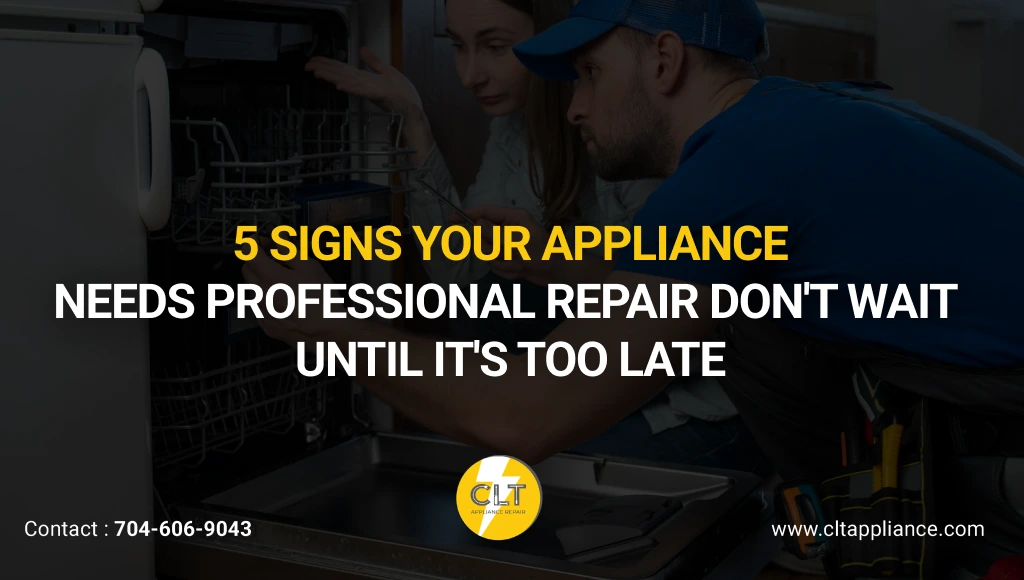
The odd humming from the fridge keeps getting louder. The dryer takes twice as long to finish a load. Most people brush off these little annoyances, hoping they’ll just go away. They won’t. These are warning signs that something inside is breaking down. Ignoring them turns a simple fix into a major expense. The key difference between a quick appliance repair Charlotte service call and buying a whole new appliance often comes down to timing. Spotting problems early and acting fast keeps households running smoothly while protecting wallets from unnecessary spending.
Why Recognizing Appliance Issues Early Matters
Waiting to address appliance problems creates a domino effect of expenses. That small refrigerator issue becomes a flooded kitchen. The noisy washing machine damages floors when the drum breaks loose. Three critical areas take the hit:
- Budget: Minor repairs stay affordable while replacements drain savings
- Safety: Electrical problems and gas leaks create real dangers
- Time: Emergency breakdowns disrupt entire households
Early intervention stops minor malfunctions from snowballing into household emergencies.
Experienced technicians handle all major brands and fix issues fast. In Charlotte, CLT Appliance Repair techs come equipped with the right tools and parts to finish most jobs in one visit.
5 Critical Signs Your Appliance Needs Professional Repair
1. Unusual Noises
Silent operation is standard for modern appliances. Strange sounds indicate mechanical stress or component failure.
Listen for these warning sounds:
- Grinding or scraping in refrigerators signals compressor trouble
- Loud banging from washers means unbalanced drums or loose parts
- Rattling dishwashers have broken spray arms or pump damage
- High-pitched squealing in dryers indicates worn belts or bearings
- Clicking or buzzing points to electrical component failure
A grinding refrigerator compressor needs immediate attention before a complete shutdown. Banging washers risk damaging suspension systems and internal drums. Rattling dishwashers can crack dishes and wear out internal mechanisms faster.
Why Ignoring Noises Costs More
Internal components deteriorate under stress. Running damaged appliances accelerates wear on connected parts. What begins as a simple belt issue escalates to motor failure. Sound problems multiply and spread through the system. Appliance repair Charlotte technicians use diagnostic equipment to pinpoint exact failure points and prevent cascading damage.
2. Inconsistent Performance
Appliances that struggle to complete basic functions are screaming for help.
Recognize these red flags:
- Refrigerators fluctuating between too warm and freezing temperatures
- Ovens are taking forever to preheat or cooking food unevenly
- Dishwashers returning dishes still covered in food or completely soaked
- Dryers running three cycles to handle one normal load
- Washers leaving clothes dripping wet after the spin cycle
Temperature swings in refrigerators destroy food and indicate thermostat or compressor failure. Extended oven preheating wastes energy and suggests heating element problems. Wet dishes from dishwashers signal pump or heating issues. Multi-cycle drying points to heating element failure or blocked vents.
The Hidden Cost of Poor Performance
People adapt to declining performance without recognizing the problem. Running extra cycles or adjusting settings becomes routine. These workarounds waste energy and shorten appliance lifespan.
Underperforming units draw excessive electricity while delivering subpar results. Restoration repairs bring back factory efficiency levels.
3. Sudden Increase in Energy Bills
Unexplained spikes in electricity costs often trace back to struggling appliances.
How Faulty Appliances Waste Energy
Damaged components force appliances to work overtime. Worn refrigerator seals make compressors run continuously. Failing washing machine motors consume excessive power, compensating for mechanical resistance. According to the U.S. Department of Energy, appliances account for nearly 13% of total energy use in American homes, and energy-efficient appliances can save consumers about $500 a year on utility bills.
Energy vampires in broken appliances:
- Deteriorated refrigerator door seals are hemorrhaging cold air
- Blocked dryer vents are making heating elements run nonstop
- Broken oven thermostats are cycling heating elements incorrectly
- Struggling dishwasher pumps are extending wash cycles indefinitely
- Laboring washing machine motors draw excess current
Spotting Energy Bill Spikes
Month-to-month bill comparisons reveal appliance inefficiency. Sudden increases without usage changes point directly to mechanical problems. Rule out rate increases before investigating appliances. Fixing the root cause eliminates ongoing energy waste. Repairs deliver immediate monthly savings that offset service costs quickly.
4. Leaks and Visible Water Damage
Pooling water around appliances demands instant action.
Track down these common sources:
- Washing machines develop seal failures or hose connection problems
- Dishwashers crack tubs or wear out door gaskets
- Refrigerators experience clogged defrost drains or damaged supply lines
- Water heaters suffer from corroded tanks or loose pipe fittings
Small drips turn into structural nightmares. Water penetrates the flooring and breeds mold colonies in hidden spaces. Cabinets warp, and walls develop rot. Minor puddles escalate into construction-level repairs.
The Urgency of Water Damage
Worn washing machine connections fail catastrophically during cycles, flooding laundry rooms. Cracked refrigerator lines leak constantly, saturating subflooring for weeks. Time magnifies damage exponentially. Mixing water with electrical systems creates electrocution and fire risks. Continuous leaks inflate water bills while destroying property. Shut down leaking units immediately. Close supply valves when accessible.
5. Persistent Error Codes or Warning Lights
Modern appliances communicate problems through diagnostic displays.
Digital warnings appear on:
- Washing machines flashing alphanumeric codes mid-cycle
- Dishwashers blinking specific light sequences
- Dryers displaying LED error patterns
- Ovens showing fault codes on control panels
- Refrigerators activating dashboard warning indicators
Every code references specific internal failures. The “E3” code on washers typically indicates door lock malfunctions. Blinking dishwasher lights often mean heating element trouble.
Why DIY Fixes Backfire
Manufacturers program these warnings to prevent catastrophic failures. Running appliances showing active errors compounds internal damage rapidly.
Internet forum advice and YouTube videos provide generic solutions that ignore model-specific engineering. Amateur repairs void manufacturer warranties and create dangerous conditions.
Trained technicians carry factory diagnostic equipment and have access to technical documentation. They decode errors accurately and address root causes instead of symptoms. Warranty coverage requires authorized service for most repairs.
What To Do If You Spot These Signs
Recognition alone doesn’t solve problems. Immediate decisive action prevents minor issues from destroying appliances.
Immediate Action Steps
Take these steps now:
- Stop using the appliance: Operating damaged units accelerates destruction
- Document the symptoms: Record sounds, error codes, and problem timing
- Check the warranty: Coverage may still apply for several years
- Call qualified technicians: Professional diagnosis cuts through guesswork
- Get multiple opinions: Compare estimates for expensive repairs
Why Professional Help Wins
Avoid makeshift solutions that create bigger problems. Unplugging and restarting doesn’t fix mechanical breakdowns. Taping leaking hoses risks catastrophic flooding. Online tutorials omit critical safety protocols specific to each model. Certified technicians bring specialized diagnostic tools, manufacturer-specific training, and proper safety equipment. First-visit accuracy eliminates repeat service calls. They stock commonly needed replacement parts. Warranty-backed repairs protect against future issues.
Swift action makes financial sense. Caught early, compressor problems might only cost a few hundred dollars to repair. Wait too long, and you’re replacing the whole unit. Acting fast keeps small issues from snowballing, and that’s exactly what CLT Appliance Repair helps you do.
Tips For Keeping Appliances Running Smoothly
Proactive maintenance prevents the most common failures.
Monthly Maintenance Tasks
- Clean refrigerator coils and inspect door seals for gaps
- Remove accumulated lint from dryer vents and filters
- Examine washing machine hoses for cracks or bulging
- Wipe down dishwasher filters and spray arms
- Listen for unusual sounds or smell burning odors from all units
Annual Professional Maintenance
- Complete appliance inspections by qualified technicians
- Gas appliance safety system testing
- Internal cleaning of components beyond homeowner access
- Electrical connection verification and voltage testing
Owner’s manuals contain manufacturer maintenance schedules. Following these guidelines prevents common breakdowns.
Simple Habits That Prevent Problems
Avoid overloading washers and dryers beyond capacity ratings. Measure detergent instead of guessing amounts. Empty lint traps after every single dryer load. Professional maintenance appointments catch developing problems before failures occur. Skipping preventive service leads to avoidable emergency repairs.
Bottom Line
Appliances work hard every single day. When they start showing warning signs, they deserve attention. Strange noises, poor performance, rising energy bills, water leaks, and error codes all signal problems that need professional repair.
Catching these signs early and acting fast saves serious money. CLT Appliance Repair services diagnose problems accurately and fix them right the first time. When appliances start acting up, help is needed fast.
CLT Appliance Repair serves Charlotte homeowners with honest, expert service on all major appliance brands. Licensed technicians arrive on time, diagnose accurately, and complete most repairs in a single visit.
Stop stressing about appliance problems. Get them fixed right the first time. Protect your home and your budget with long-lasting professional repair from CLT Appliance Repair.
Schedule Your Appointment Today
FAQs
How do I know if my appliance needs professional repair?
If the appliance makes unusual noises, shows inconsistent performance, leaks water, displays error codes, or causes energy bills to spike, it likely needs expert repair.
Can I fix appliance issues myself, or do I always need a technician?
Simple issues like cleaning filters or checking plugs are manageable, but persistent problems and safety concerns require a professional technician.
Is it better to repair or replace an old appliance?
Repair is usually cost-effective for appliances under 10 years old, but replacement may be better for frequent breakdowns or very old units.
Will delaying appliance repair make the problem worse?
Delaying repair often leads to increased damage, higher repair costs, safety risks, and can eventually require full replacement.
What information should I have ready before calling for appliance repair?
Have the appliance’s model number, a description of the issue, and details about any unusual noises or error codes ready for the technician.
Author

- John Bennett is a seasoned appliance repair specialist at CLT Appliance Repair, where he brings over a decade of technical expertise and a strong commitment to customer satisfaction. With a background in electrical and mechanical systems, John has built a reputation for reliable, efficient, and honest repair services across a wide range of household appliances-including refrigerators, washing machines, ovens, and more.
Latest entries
 News11/19/2025Why Your Dryer Smells Burnt: Common Causes & Fixes in Charlotte, NC
- News11/19/2025Preventive Maintenance Tips to Extend Your Dryer’s Life in Charlotte
- News11/18/2025Gas vs. Electric Dryer Repair: What Charlotte, NC, Technicians Fix Most Often
- News11/18/2025Top 5 Signs Your Dryer Needs Professional Repair in Charlotte, NC