Tips for maintaining | a heater.

Take care of your heater to keep it in top condition throughout the colder months. These essential maintenance tips will help you avoid costly repairs and ensure your home stays warm and comfortable.
Tips for maintaining a heater.
Your heater works hard to keep your home warm during the winter, but like all appliances, it needs regular maintenance to perform at its best. Proper care can extend the life of your heater, improve its efficiency, and prevent costly breakdowns. Follow these simple tips to keep your heater in top shape all season long.
Your fridge is a kitchen superstar as it keeps all your food fresh and drinks cold.
But does the fridge feel warm when you open it?
Is there water all over the floor?
Fridge issues are the worst!
Routine Cleaning and Maintenance
Clean or Replace the Air Filters:
Dirty filters restrict airflow, making your heater work harder and reducing its efficiency. Clean or replace the air filters every 1-3 months to maintain proper airflow and improve indoor air quality. This also helps prevent your system from overheating.
Clear Debris Around the Heater:
If you have a wall-mounted or floor-mounted heater, make sure there’s no debris blocking the vents or airflow. Dust and dirt can accumulate around the unit, reducing its efficiency. Regularly clean the area to keep airflow unrestricted.
Check the Pilot Light or Ignition System:
If your heater has a pilot light, make sure it’s burning steadily. If the light goes out, it may indicate a problem with the gas supply or ignition system. Contact a professional to check the ignition system for any issues.
Examine Key Components
Examine the Ductwork:
Check your ducts for any signs of damage, leaks, or blockages. Leaky ducts can cause warm air to escape, making your heater work harder. If you find any issues, have a technician seal the ducts to improve efficiency.
Check the Thermostat:
Ensure your thermostat is working properly. Test it by adjusting the temperature and making sure your heater responds. If your thermostat isn’t reading the temperature accurately, it may need recalibration or replacement.
Monitor the Heater’s Flame:
For gas heaters, monitor the color of the flame. A blue flame is ideal, while yellow or orange flames may indicate incomplete combustion or a dirty burner. If you notice any irregularities, have a professional inspect the burner.
Preventative Maintenance for Longevity
Schedule Annual Professional Service:
Having your heater professionally serviced once a year is essential for maintaining optimal performance. A technician will inspect all components, clean the system, and ensure everything is functioning properly, helping to prevent breakdowns when you need your heater most.
Lubricate Moving Parts:
Many heaters have moving parts, such as fans and motors. Lubricating these parts annually helps prevent friction and wear, ensuring smooth operation and preventing early failure.
Check the Insulation:
Proper insulation around ducts and pipes is essential for keeping heat in and reducing energy loss. Check the insulation and repair or replace any areas that are worn or damaged to maximize heating efficiency.
Optimize Heater Usage
Set Your Thermostat Wisely:
Keep your thermostat set to a consistent temperature, ideally around 68°F during the day and 60°F at night. Avoid large temperature fluctuations to prevent the heater from overworking and to maintain a comfortable environment.
Seal Gaps Around Doors and Windows:
Leaky doors and windows let heat escape, forcing your heater to work harder. Seal any gaps or cracks with weatherstripping or caulk to improve efficiency and maintain a steady temperature in your home.
Use Ceiling Fans for Better Air Distribution:
In the winter, set your ceiling fan to run in reverse (clockwise) at a low speed. This pushes warm air down from the ceiling, helping to distribute heat evenly throughout the room and reduce the workload on your heater.
Know When to Replace Your Heater
While regular maintenance can extend the life of your heater, there comes a point when replacing it may be more cost-effective than continual repairs. If your heater is over 15 years old, needs frequent repairs, or has become inefficient, it might be time to invest in a new model.


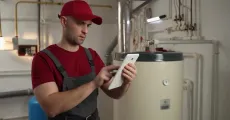
Get Your Heater Running Like New with CLT Appliance Repair
Is your heater not performing as well as it should? Whether it’s making strange noises, not heating properly, or requires a tune-up, CLT Appliance Repair is here to help. Our expert technicians can diagnose and repair any issues, ensuring your heater works like new all winter long.
Schedule your service with us today!
FAQs
It’s recommended to clean or replace the filter every 1-3 months, especially during peak heating season.
Common causes include dirty filters, blocked ducts, or a malfunctioning thermostat. Schedule a maintenance check to identify and fix the issue.
Regular maintenance, including annual professional servicing, cleaning filters, and checking the thermostat, will help keep your heater in good working condition.
Yes, you can clean or replace the filters yourself. Make sure to follow the manufacturer’s instructions to avoid damage.
If your heater is more than 15 years old, has frequent repairs, or is no longer efficient, it might be time to replace it. Consider upgrading to a more energy-efficient model.
Don't let a malfunctioning Heater disrupt your daily life. Contact CLT Appliance Repair today at 704-606-9043 to schedule your Heater repair service.
We'll have your Heater back to optimal performance in no time!.
Dryer Repair Charlotte NC | Washing Machine Repair Charlotte NC | Refrigerator Repair Charlotte NC | Microwave Oven Repair Charlotte NC | Freezer Repair Charlotte NC | Dryer Vent Cleaning Charlotte NC | Dishwasher Repair Charlotte NC | Cooktop Repair Charlotte NC | Stove Repair Charlotte NC | Charlotte Ice Maker Repair | Garbage Disposal Repair Charlotte NC | Plumbing Repair Charlotte NC | Water Heater Repair Charlotte NC
Admiral Appliance Repair | Amana Appliance Repair | Bosch Appliance Repair | Electrolux Appliance Repair | Frigidaire Appliance Repair | General Electric Appliance Repair | Haier Appliance Repair | Hotpoint Appliance Repair | Jenn-Air Appliance Repair | Kenmore Appliance Repair | KitchenAid Appliance Repair | LG Appliance Repair | Magic Chef Appliance Repair | Maytag Appliance Repair | Roper Appliance Repair | Samsung Appliance Repair | Speed Queen Appliance Repair | Whirlpool Appliance Repair | Dacor Appliance Repair | Viking Appliance Repair | Thermador Appliance Repair | Sub-Zero Appliance Repair | Wolf Appliance Repair | Monogram Appliance Repair | Bertazonni Appliance Repair | BlueStar Appliance Repair | Thor Appliance Repair | Miele Appliance Repair | Cafe Appliance Repair | GE Appliance Repair
Freezer Repair Indian Land SC | Freezer Repair Indian Trail NC | Freezer Repair Pineville NC | Freezer Repair Rock Hill SC | Freezer Repair Belmont NC | Freezer Repair Matthews NC | Freezer Repair Lancaster SC | Freezer Repair Cornelius NC | Freezer Repair Fort Mill SC | Freezer Repair Concord NC | Freezer Repair Denver NC | Freezer Repair Monroe NC | Freezer Repair Mooresville NC | Freezer Repair Harrisburg NC | Freezer Repair Lake Wylie SC | Freezer Repair Huntersville NC | Freezer Repair Kannapolis NC | Freezer Repair Mint Hill NC | Freezer Repair Waxhaw NC | Freezer Repair Troutman NC | Freezer Repair Davidson NC | Freezer Repair Gastonia NC | Freezer Repair Charlotte NC