
Ice Maker Noises and What They Mean For Your Appliance
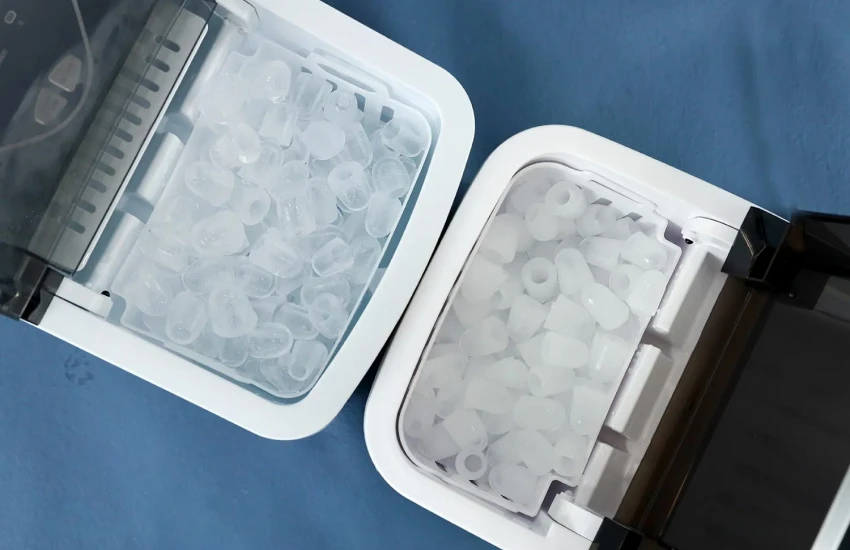
An ice maker that suddenly starts buzzing, grinding, or rattling has a way of making itself impossible to ignore, especially in a quiet kitchen late at night. The reassuring part is that the noise itself is a diagnostic signal. Each type of sound points to a different component and a different level of concern, which makes listening carefully the most useful first step.
Not every ice maker noise signals a serious problem, but none of them should be dismissed without at least understanding what is behind them. Knowing what each sound means is what separates a minor issue caught early from a failing part that takes more expensive components down with it.
Your fridge is a kitchen superstar as it keeps all your food fresh and drinks cold.
But does the fridge feel warm when you open it?
Is there water all over the floor?
Fridge issues are the worst!
What Ice Maker Noises Are Normal?
Every ice maker produces some noise as part of its normal operating cycle, and not every sound coming from the freezer is a cause for concern. Some are simply the machine doing its job.
The following sounds are a normal part of every cycle:
- A low, steady hum as the compressor runs or the unit fills with water
- A soft click signalling the start of a new harvest cycle
- A brief rush of running water as the mold fills
- A clunk or rattle as finished ice cubes drop into the storage bin
These sounds come and go with each cycle and remain relatively quiet. A sound becomes a warning sign when it grows noticeably louder over time, takes on a harsh or grinding quality, or runs continuously rather than cycling on and off with the machine.
What Different Ice Maker Noises Mean?
The type of noise an ice maker makes is the fastest way to identify what is causing it. Each sound has a recognizable pattern that points toward a specific component, and understanding those patterns helps you communicate the problem clearly and get the right diagnosis quickly.
Buzzing or Humming
A loud buzz or heavy hum that appears as the unit tries to fill typically points to the water inlet valve. Mineral deposits that build up inside the valve over time can cause it to strain and vibrate as it works, producing that persistent buzzing sound. A heavy hum that runs continuously rather than cycling can also indicate a compressor working harder than it should.
This sound is worth taking seriously because a struggling inlet valve or compressor does not typically improve on its own. Left unaddressed, the component continues to degrade until it fails, often taking the repair cost with it.
Grinding or Screeching
Grinding or screeching is among the most urgent sounds an ice maker can produce. It almost always points to a mechanical problem involving moving parts, such as a worn motor, a failing auger in nugget or crushed ice units, or stripped gears inside the drive mechanism.
Unlike some other ice maker noises, grinding and screeching do not resolve with basic maintenance. They indicate internal wear that requires professional assessment to determine how far the damage has progressed and what needs replacing.
Knocking or Clunking
A single clunk as ice drops into an empty bin is entirely normal and nothing to investigate. The sound becomes a concern when it is louder than usual, repeats frequently, or appears at points in the cycle where ice should not be moving.
Persistent knocking often means ice has jammed somewhere in the mechanism or the ejector arm is catching on a buildup of frost. It can also point to a component that has shifted out of alignment, which causes it to knock against adjacent parts during each cycle.
Rattling or Vibrating
A rattle that persists through multiple cycles usually means something is physically loose, or the unit is not sitting level on its surface. A loose panel, a missing fastener, or a fan blade that has shifted can all produce a rattling sound that travels through the cabinet and into the surrounding countertop or cabinetry.
An unlevel ice maker is a particularly common source of vibration noise, and it is one that tends to worsen gradually as the movement loosens fasteners further over time.
Clicking or Chattering
Rapid clicking or chattering typically appears when the water inlet valve is attempting to open but is not receiving adequate water flow. Low water pressure, a partially closed supply valve, or a clogged water line can all produce this sound.
When clicking continues across multiple cycles and no ice forms, the inlet valve is likely failing, and the sound is the clearest signal that something in the water supply path needs attention.
How To Prevent Ice Maker Noise?
Prevention comes down to addressing the conditions that put stress on the components most likely to generate noise. A few focused habits cover most of the risk.
Manage Water Quality
Hard water leaves mineral deposits inside the inlet valve and along the water line over time, restricting flow and causing the valve to strain and buzz. Replacing the water filter on schedule and running a descaling cycle regularly keeps that buildup from reaching a level that affects performance.
Keep the Unit Level
An ice maker that sits even slightly unlevel vibrates against its surface with every cycle, gradually loosening panels and fasteners until a minor rattle becomes a persistent noise. Checking stability periodically and keeping the area around the unit clear removes that source of wear entirely.
Clear the Condenser and Ejector Arm
A dust-clogged condenser forces the compressor to run hotter and harder, which is one of the most common causes of compressor hum in older units. Clearing the condenser regularly and removing frost buildup around the ejector arm before it develops into a jam keeps the mechanical side of the unit running quietly.
When to Call a Professional?
Some ice maker noises are easy to identify and respond to quickly, but others point to internal faults that require proper diagnostic equipment and trained experience to resolve safely. If any of the following apply, a professional assessment is the right next step:
- Grinding or screeching that indicates mechanical wear in the motor or gearbox
- A loud, persistent hum that suggests the compressor is under strain
- Clicking or buzzing across multiple cycles with no ice being produced
- Any burning smell or sign of an electrical fault alongside the noise
- A noise that has grown noticeably louder or shifted in character over time
Pushing a failing part too long can spread the damage to the sealed system, which is far costlier to repair. That is the point where a professional earns their keep. CLT Appliance Repair works on these units across Charlotte, so a technician can read the symptoms, confirm what is failing, and take care of the ice maker repair properly.




Conclusion
An ice maker making noise is rarely a mystery once you understand what each sound points to. Buzzing often traces back to the inlet valve or compressor, grinding usually signals mechanical wear, rattling can mean something is loose or the appliance is unlevel, and clicking frequently indicates a water supply issue. Catching these problems early can help prevent more extensive repairs and keep your ice maker running reliably.
If your ice maker is still making unusual noises after basic troubleshooting, it may be time for a professional inspection. CLT Appliance Repair has diagnosed and repaired every type of ice maker issue for homeowners across Charlotte. Our certified technicians quickly identify the cause, explain the repair clearly, and provide upfront pricing before any work begins.
Call 704-606-9043 today and get back to a kitchen where the only sound coming from your freezer is fresh ice dropping into the bin.
FAQs
Yes, some noise is completely normal. A low hum, a soft click at the start of a cycle, running water, and the sound of ice dropping into the bin are all expected. The concern begins when sounds grow harsh, continuous, or noticeably louder than before.
A buzz with no ice production usually means the water inlet valve is attempting to open but not receiving adequate water flow. A clogged line, low water pressure, or a failing valve are the most common causes and warrant professional diagnosis.
Yes, a noise from a failing motor or struggling compressor tends to worsen over time, and running a strained component places stress on surrounding parts. What starts as a minor repair can become a significantly more expensive one if left unaddressed.
Often, yes. Mineral scale and ice buildup force the motor and compressor to work harder, which raises the noise level. Regular descaling and filter changes keep the parts moving freely and can noticeably quiet a unit that has developed scale-related noise.
Most ice makers last around 10 years with proper maintenance. Regular cleaning, timely filter replacements, and prompt attention to unusual noises help a unit reach the upper end of that range, while hard water and neglect tend to shorten it.
Don't let a malfunctioning Ice Maker disrupt your daily life. Contact CLT Appliance Repair today at 704-606-9043 to schedule your Ice Maker repair service.
We'll have your Ice Maker back to optimal performance in no time!