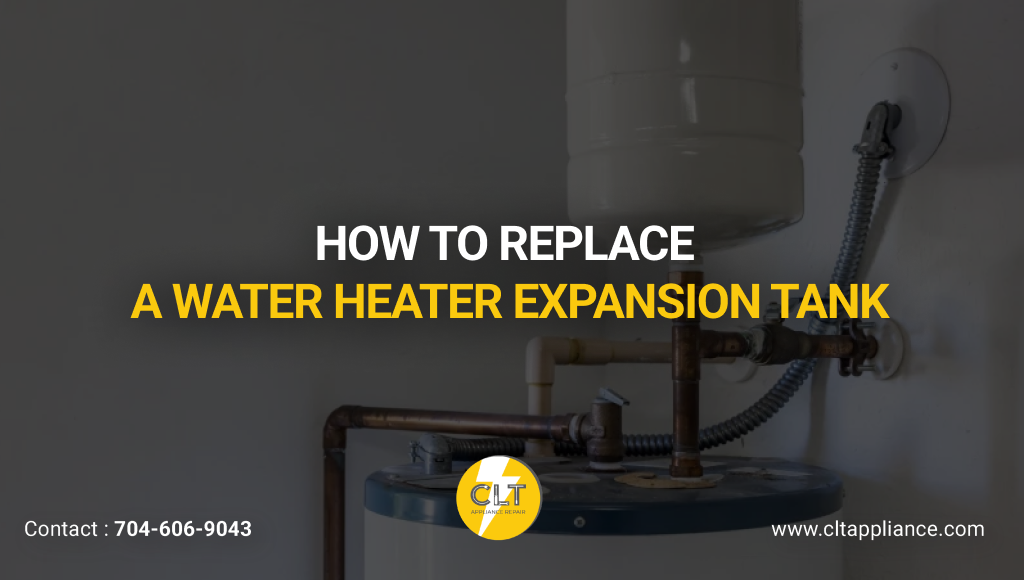
If your expansion tank is leaking, waterlogged, or past its prime, replacing it is one of those jobs most homeowners can handle without calling a plumber. Your water heater relies on this small tank to absorb excess pressure in the system. Without it working properly, you risk damage to pipes, fittings, and the heater itself, potentially leading to costly water heater repair if ignored. The good news is that the replacement process is straightforward if you follow the right steps and have basic plumbing tools ready. Here’s a complete walkthrough to help you complete it safely.
Can You Replace an Expansion Tank Yourself?
Yes, most homeowners can handle this job with basic plumbing tools and a little confidence. The process involves shutting off the water, replacing the old tank with a new one, and adjusting the air pressure to match your home’s water supply. Local codes vary, and some areas require plumbing work to be performed by a licensed professional.
When Replacement Is Needed
Not every issue calls for a full replacement, but certain signs make it clear the tank is done:
- The tank feels completely heavy and full of water when tapped
- Visible rust or corrosion around the connection point
- Water dripping from the tank body or valve
- The tank fails a simple air pressure test at the Schrader valve
Any of these signs means the internal rubber diaphragm has failed and the tank can no longer do its job.
Tools, Materials, and Safety Gear
Gather everything before you start so the job goes smoothly:
- Adjustable wrenches (two sizes work best)
- Teflon tape or pipe thread sealant
- Tire pressure gauge and bicycle pump or small air compressor
- Towel and bucket for catching drips
- New expansion tank rated for your system size
Step-by-Step Replacement Process
This section walks through each stage of the swap from start to finish. Take your time and double-check connections as you go.
1. Turn Off Water and Relieve Pressure
Start by shutting off the main water supply valve. Then open a hot water faucet somewhere in the house to relieve built-up pressure. Let it run until the flow slows to a trickle. This step prevents water from spraying when you disconnect the old tank.
2. Remove the Old Tank
Place a towel or bucket underneath the connection to catch leftover water. Then use an adjustable wrench to unthread the old tank from the tee fitting on the cold water line.
- Apply gentle back-and-forth pressure if the tank is stuck instead of forcing it
- Inspect the fitting threads for corrosion or buildup after removal
3. Set the air pressure on the New Tank
Every new expansion tank comes pre-charged, but it rarely matches your home’s exact water pressure. Here’s how to adjust it:
- Check your home’s water pressure using a gauge on an outdoor spigot (typically 40 to 60 psi)
- Locate the Schrader valve on top of the new tank
- Use a pump and gauge to add or release air until the tank matches your reading
Getting this step right is critical. If the pressure is off, the tank won’t absorb expansion properly.
4. Install the New Tank
Wrap the new tank’s threads with Teflon tape, three to four wraps in a clockwise direction. Thread it onto the tee fitting by hand first, then snug it with a wrench.
- Avoid overtightening, which can crack the fitting
- Support the tank with a mounting bracket or strap if it hangs freely
5. Turn Water On and Check for Leaks
Open the main water supply slowly. Let the system fill and pressurize. Check every connection point around the new heater expansion tank for drips. If you see moisture, tighten slightly or reapply Teflon tape.
Can’t Do It Yourself? Call CLT Appliance Repair –
Replacing an expansion tank can be simple, but it still involves water pressure, threaded fittings, and proper setup. If you’re unsure about any step, it’s better to leave the job to a trained professional. One small mistake can lead to leaks, water damage, or ongoing pressure problems.
After Replacement: Testing and Maintenance
Once the new tank is installed, a few quick tests confirm everything is working correctly.
How to Test the New Tank
Tap the side of the tank with your knuckle. The top half should sound hollow (that’s the air cushion), and the bottom half should sound solid (that’s the water side). If the entire tank sounds solid, the diaphragm may already be compromised, or the air charge is too low.
Signs of Incorrect Pressure or Installation
Watch for these warning signs in the days after installation:
- The temperature and pressure relief valve keeps discharging
- Faucets sputtering or delivering inconsistent pressure
- The expansion tank feels full within weeks
These issues usually point to a pressure mismatch between the tank and the water supply.
Inspection and Replacement Schedule
Most expansion tanks last 5 to 8 years. Check yours at least once a year by tapping the side and testing air pressure at the Schrader valve. Replace it immediately if you find water inside or if it fails the pressure test.
What size expansion tank do I need for my water heater?
It depends on your water heater’s capacity and your home’s water pressure. Most standard homes with a 40 to 50-gallon water heater use a 2-gallon expansion tank. If you have a larger system or higher water pressure, you may need a 5-gallon tank instead. Choosing the wrong size means the tank won’t handle the pressure properly, which defeats the whole purpose.
What happens if you don’t replace a failing expansion tank?
Excess pressure keeps building up inside your plumbing system with nowhere to go. Over time, this can damage pipes, loosen fittings, and put unnecessary stress on your water heater. You might also notice your temperature and pressure relief valve discharging water repeatedly, which is a clear warning sign.
Bottom Line
Replacing a water heater expansion tank is a manageable DIY job when you follow the right steps. Match the air pressure, seal the threads properly, and test everything before walking away. CLT Appliance Repair handles water heater services from inspections to full replacements. Our technicians spot problems early in Appliance Repair and fix them fast so your system stays safe year-round.
Reach out to CLT Appliance Repair Today – F
Author

- John Bennett is a seasoned appliance repair specialist at CLT Appliance Repair, where he brings over a decade of technical expertise and a strong commitment to customer satisfaction. With a background in electrical and mechanical systems, John has built a reputation for reliable, efficient, and honest repair services across a wide range of household appliances-including refrigerators, washing machines, ovens, and more.