Tips to Fix a Non-Working Refrigerator Light | CLT Appliance Repair

You open the fridge, and it is dark inside. The food is still cold, the motor is humming, but the light is out. It seems like a small problem until you are digging through shelves with your phone flashlight at midnight, trying to find the leftover pasta. Most refrigerator light failures trace back to four parts: the bulb, the socket, the door switch, or the wiring connecting them. Three of those are fixable in under 15 minutes with no tools beyond a screwdriver. The fourth usually needs a technician.
Here is how to work through them in order and get the light back on.
Your fridge is a kitchen superstar as it keeps all your food fresh and drinks cold.
But does the fridge feel warm when you open it?
Is there water all over the floor?
Fridge issues are the worst!
Before You Touch Anything
Unplug the refrigerator or switch off the breaker before working on any light component. Even though you are dealing with a low-wattage bulb circuit, the fridge runs on household voltage, and the socket is live when the unit is plugged in.
Stop and call a professional if you notice any of these when inspecting the light area:
- A burning or melted plastic smell coming from the socket or wiring area
- Visible scorch marks or melted insulation on wires near the bulb housing
- The breaker trips when the fridge is plugged in or the light area is disturbed
These are signs of a short circuit or wiring fault that goes beyond a bulb swap.
Quick Checks First
Before replacing anything, rule out the simplest explanations.
Is the fridge getting power?
If the interior light, the control panel, and the compressor are all dead, the problem is the outlet, the breaker, or the power cord, not the light itself. Test the outlet with another device.
Is the fridge in demo or showroom mode?
Some models have a display mode that disables cooling and lighting. Check the control panel for any unusual indicators and consult the manual to confirm normal operating mode.
Does the light flicker when you open the door slowly?
Open the door partway and watch the light. If it flickers or comes on briefly, the door switch or a loose connection is the likely cause rather than a dead bulb.
Tip 1: Replace the Bulb
The most common cause of a dark fridge is the most obvious one. Bulbs burn out.
Finding and Removing the Old Bulb
Locate the light housing inside the fridge. It is usually on the ceiling, the side wall near the top, or the back wall of the compartment. Some models have a snap-off cover. Others have a screw-in lens. Remove the cover, then unscrew or pull out the bulb.
What to Look For and How to Replace
Check the old bulb for these signs of failure:
- Darkened or blackened glass near the base or top of the envelope
- A visibly broken filament inside the bulb
- A loose base that wobbles in the socket
Replace it with the exact type and wattage specified in your manual. Most older refrigerators use a standard 40-watt appliance bulb. Newer models may use an LED module that plugs into a connector rather than screwing in. Seat the new bulb firmly, but do not overtighten, since too much force can crack the base or damage the socket threads.
Tip 2: Check the Socket
If a new bulb does not solve the problem, the socket may be the issue. Pull the bulb out and look inside the socket with a flashlight. Warning signs that the socket has failed:
- Blackened or discolored metal contacts at the base of the socket
- Visible corrosion on the contact tabs
- A contact tab that has been pushed flat and no longer touches the bulb base
- Melted or warped plastic around the socket housing
If the contact tab is pushed down, you can gently pry it up with a small flathead screwdriver (with the fridge unplugged) so it makes contact with the bulb again. If the socket shows burn damage or melting, it needs to be replaced entirely. Socket replacements cost $10 to $25 and usually involve disconnecting a wiring connector behind the housing.
Repeated bulb failures in the same socket usually mean the socket is overheating or arcing internally. CLT Appliance Repair can test the socket circuit, confirm the root cause, and replace the socket safely so you are not burning through bulbs every few months.
Tip 3: Test the Door Switch
The door switch is the small button or plunger built into the door frame that the door presses when it closes. It turns the light off when the door shuts and on when it opens.
Testing the Switch
With the fridge plugged in and the door open, press the switch in and out by hand. The light should turn on when you release it and off when you press it. If nothing happens in either direction, the switch has failed. Common symptoms of a bad door switch:
- The light never turns on, regardless of the door position
- Light stays on permanently, even with the door closed, which burns out bulbs quickly
- Light flickers intermittently as the switch makes and loses contact
Replacing the Switch
Unplug the fridge. Pry the switch out of its housing with a flathead screwdriver or remove the mounting screw, depending on your model. Disconnect the wiring connector, plug in the new switch, press it back into the housing, and test. Door switches cost $5 to $15, and the swap takes about 10 minutes.
Tip 4: Look for Wiring or Control Issues
If the bulb, socket, and switch all check out fine and the light still does not work, the problem is deeper in the electrical system.
Damaged Wiring Near the Door Hinge
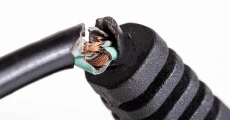
Wires near the door hinge area are especially prone to damage. Every time the door opens and closes, the wires flex. Over years of use, this can pinch, fray, or break the conductors inside the insulation. A visual inspection of the wiring along the hinge side of the door frame sometimes reveals the break. Corroded wire terminals at the light housing connector can also block current from reaching the socket.
Control Board Faults
Control board failures are rare for light-only issues, but possible on newer models where the board manages the light circuit through a relay. If the relay fails, the light stays off even though every physical component tests fine. Board diagnosis and replacement should be handled by a technician since it involves working with the main electrical system of the appliance.
When A Dead Light Means Something Bigger
A refrigerator light that goes out on its own is usually a minor issue. A light that goes out, along with other symptoms, is a warning sign. If the light failure coincides with cooling problems, unusual noises, error codes, or the compressor cycling on and off abnormally, the issue may be electrical and affect more than the lighting circuit. Schedule a full refrigerator diagnostic rather than treating the light as an isolated problem.
Preventing Future Light Problems
A few simple habits extend the life of the bulb, socket, and switch:
- Use the correct bulb type and wattage listed in the manual. An oversized bulb generates excess heat and shortens the socket life
- Avoid slamming the fridge door since the impact loosens bulbs and jolts the door switch
- Check the light cover periodically for cracks that let moisture reach the bulb and socket
- Clean the socket area annually by removing the bulb and wiping out any dust or condensation



Conclusion
A non-working refrigerator light is almost always a bulb, socket, or door switch problem. Working through those three in order solves the issue in minutes for most people. When the fix goes deeper into wiring or the control board, professional diagnosis keeps a small problem from becoming an electrical hazard.
We handle fridge light calls at CLT Appliance Repair alongside every other refrigerator issue Charlotte homeowners throw at us. Bulb swaps, socket replacements, switch failures, wiring traces, we bring it all under one visit. The small jobs get done fast. The bigger ones get diagnosed, honestly. Either way, you are not left digging through a dark fridge wondering what went wrong.
FAQs
The bulb is usually burnt out, the socket is loose or corroded, or the door switch has failed. These problems only affect the lighting circuit while cooling continues normally.
Confirm the fridge has power, then tighten or replace the bulb and press the door switch by hand to see if it turns the light on and off.
Call us if a new bulb does not work, the socket is discolored or melted, the light issues come with tripped breakers or cooling problems, or if you suspect wiring or control board faults.
You can usually replace a standard bulb yourself by matching the correct type and wattage. LED modules, damaged sockets, or wiring issues are safer to have replaced by a professional.
Don't let a malfunctioning refrigerator disrupt your daily life. Contact CLT Appliance Repair today at 704-606-9043 to schedule your refrigerator repair service.
We'll have your fridge back to optimal performance in no time!.
- Refrigerator Not Cooling
- Refrigerator Leaking Water
- Refrigerator Making Noise
- Refrigerator Ice Maker Problems
- Refrigerator Light Not Working
- Refrigerator Door Seal Issues
- Refrigerator Compressor Problems
- Refrigerator Thermostat Issues
- Refrigerator Water Dispenser Issues
- Refrigerator Defrost Problems
Charlotte NC Refrigerator Repair | Indian Trail NC Refrigerator Repair | Fort Mill SC Refrigerator Repair | Concord NC Refrigerator Repair | Denver NC Refrigerator Repair | Cornelius NC Refrigerator Repair | Monroe NC Refrigerator Repair | Lancaster SC Refrigerator Repair | Mooresville NC Refrigerator Repair | Matthews NC Refrigerator Repair | Pineville NC Refrigerator Repair | Lake Wylie NC Refrigerator Repair | Rock Hill NC Refrigerator Repair | Gastonia NC Refrigerator Repair | Belmont NC Refrigerator Repair | Harrisburg NC Refrigerator Repair | Huntersville NC Refrigerator Repair | Davidson NC Refrigerator Repair | Indian Land NC Refrigerator Repair | Troutman NC Refrigerator Repair | Kannapolis NC Refrigerator Repair | Waxhaw NC Refrigerator Repair | Mint Hill NC Refrigerator Repair