
How To Fix Garbage Disposal Grinding Problems?
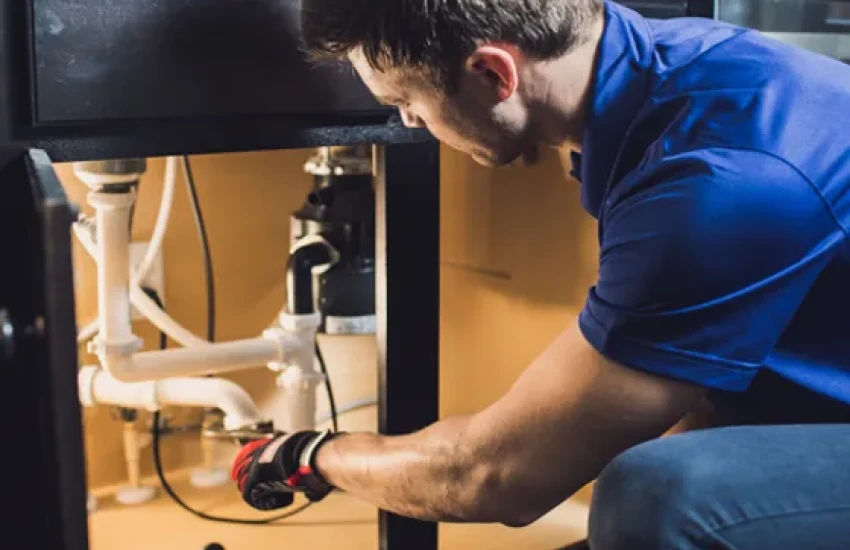
That loud, angry grinding sound coming from your kitchen sink is hard to ignore. It usually means something is stuck, jammed, or worn out inside your garbage disposal. Most people hear it and immediately wonder if the whole unit is ruined. The good news is that most grinding problems are fixable without replacing anything. A foreign object, a jammed impeller, or a buildup of the wrong food scraps is usually the culprit. Knowing how to clear the problem yourself safely saves money and gets your sink back to normal fast.
Common Reasons a Garbage Disposal Makes Grinding Noises
Most grinding issues come down to three things: something stuck in the chamber, food that shouldn’t have gone in there, or parts wearing out.
Your fridge is a kitchen superstar as it keeps all your food fresh and drinks cold.
But does the fridge feel warm when you open it?
Is there water all over the floor?
Fridge issues are the worst!
Foreign Objects in the Chamber
Small items fall into the disposal more often than you would expect. The most common objects that cause grinding noises include:
- Bones or fruit pits that are too hard for the impellers to break down
- Metal utensils like spoons, forks, or bottle caps that slipped through the splash guard
- Glass fragments from a broken dish or cup
- Non-food items like twist ties, rubber bands, or small pieces of packaging
These objects get caught between the impellers and the grinding ring and create a loud, metallic grinding sound every time the unit runs.
Food Jams
Certain foods cause jams even though they are technically “food waste.” Fibrous vegetables like celery and artichoke leaves, wrap around the impellers. Coffee grounds and eggshells form a thick paste that clogs the drain. Large amounts of food fed into the unit too quickly overwhelm the motor and create a backup.
Worn or Damaged Components
Over time, impellers, lugs, and internal bearings wear down. When metal parts lose their edge or loosen from their mounts, they rattle and scrape against the chamber walls. This produces a grinding or clanking noise even when the chamber is completely clear of debris.
Safety First: What to Do Before You Try to Fix It
Working on a garbage disposal without cutting the power first is dangerous. The blades and impellers can activate unexpectedly and cause serious injury.
Always Cut the Power Completely
Before inspecting or touching anything inside the disposal, take these steps:
- Turn off the wall switch that controls the disposal
- Unplug the unit from the outlet under the sink, or shut off the circuit breaker if it is hardwired
- Confirm the unit is completely dead by flipping the switch to make sure nothing activates
Never put your hands into the disposal chamber, even when the power is off. Use tongs, needle-nose pliers, or a flashlight to inspect and remove objects.
Step by Step: How to Fix a Garbage Disposal That Is Grinding
Follow these steps in order. Most grinding problems are resolved within the first two steps.
Step 1: Inspect and Remove Foreign Objects
Shine a flashlight into the chamber and look for anything that does not belong. If you see a bone, utensil, glass fragment, or other object, use tongs or needle-nose pliers to carefully pull it out. Do not reach in with your fingers.
Step 2: Use the Reset Button and Allen Wrench
Most garbage disposals have a small reset button on the bottom of the unit. Press it to reset the motor. Then insert a 1/4 inch Allen wrench into the hex slot on the bottom center of the disposal and turn it back and forth manually. This frees jammed impellers without needing to reach inside the chamber.
If the wrench turns freely, the jam is cleared. If it resists, work it back and forth gently until the impellers move freely in both directions.
Step 3: Flush and Test
Once the jam is cleared, follow this sequence:
- Restore power to the unit
- Run cold water into the sink at a steady flow
- Turn the disposal on briefly and listen carefully
- If grinding persists, turn it off and repeat the inspection
If the sound is gone and water drains normally, the problem is solved. If the grinding continues with no visible obstruction, the issue is likely internal.
When the Grinding Noise Signals Damage
A clear chamber and a freed impeller should eliminate grinding sounds. If the noise continues after those steps, the problem is deeper.
Signs of Internal Damage
These symptoms indicate that DIY fixes will not be enough:
- Loud metal-on-metal grinding with nothing stuck in the chamber
- Excessive vibration or shaking during operation
- Leaks from the bottom of the unit rather than from connections
- Frequent stalls and resets, even with small amounts of food
- A burning smell when the motor runs
Badly worn impellers, cracked housings, and aged motors typically require professional repair or full replacement. Continuing to run a damaged disposal risks burning out the motor or causing water damage under the sink.
Preventing Future Grinding Problems
Most grinding issues are preventable with a few simple habits and regular maintenance.
Smart Use Habits
- Feed small amounts of soft food scraps into the disposal gradually
- Run cold water before, during, and after every use to flush waste through the drain
- Avoid fibrous foods like celery, corn husks, artichoke leaves, and onion skins
- Keep grease and oil out of the disposal since they solidify and coat the impellers
- Never grind hard items like bones, fruit pits, shellfish shells, or non-food objects
Simple Maintenance
Periodic cleaning keeps the disposal fresh and prevents buildup that leads to jams. Effective methods include:
- Baking soda and vinegar: Pour half a cup of each into the disposal, let it fizz for a few minutes, then flush with cold water
- Ice and citrus: Grind a handful of ice cubes with a few lemon or orange peels to clean the impellers and freshen the chamber
- Splash guard cleaning: Lift the rubber splash guard and scrub underneath it with a brush to remove trapped food residue


When to Call a Professional Plumber or Replace the Unit
Some grinding problems go beyond what a homeowner can safely fix. Knowing when to call a professional prevents further damage and keeps the repair cost from escalating.
Situations That Require a Pro
Call CLT Appliance Repair if you experience any of the following:
- Persistent grinding after clearing all visible debris and freeing the impellers
- The unit hums but will not grind even after manual rotation with an Allen wrench
- Repeated breaker trips every time the disposal runs
- Burning smells from the motor during operation
- Visible leaks from the housing or mounting assembly
When Replacement Makes More Sense
If the disposal is more than 8 to 10 years old and keeps jamming, stalling, or grinding despite repairs, replacement is usually the smarter investment. Newer models handle food more efficiently, run quieter, and come with better motors that resist jams. The cost of a new unit plus installation is often comparable to two or three repair visits on an aging disposal.
FAQs
Here are answers to the most common questions homeowners ask about garbage disposal grinding problems.
To fix a garbage disposal that is making a grinding noise, turn off the power, remove any foreign objects from the chamber with tongs or pliers, use an Allen wrench on the bottom of the unit to free any jammed impellers, then restore power, run cold water, and test it briefly.
It is not safe to keep using a garbage disposal that grinds loudly because the noise usually signals a jam, a hard object, or internal damage that can break parts or overheat the motor if you continue running it.
You should call a plumber if grinding noises continue after clearing visible debris and freeing the impellers, if you hear metal-on-metal sounds with no obstruction, if the unit trips the breaker or will not run, or if the disposal is old and frequently jams.
Don't let a malfunctioning Range Hood disrupt your daily life. Contact CLT Appliance Repair today at 704-606-9043 to schedule your Range Hood repair service.
We'll have your Range Hood back to optimal performance in no time!.
Takeaway
Most garbage disposal grinding problems come down to something stuck in the chamber or impellers that need to be manually freed. Following the right steps in the right order resolves the majority of issues in minutes. When the noise persists after clearing and resetting, the problem is internal and needs professional attention before the motor burns out or water damage starts.
Here at CLT Appliance Repair, we have fixed more jammed, grinding, and burned-out disposals across Charlotte than we can count. Our technicians bring the parts, do the work, and clean up before they leave. We keep our pricing simple because nobody wants a surprise bill on top of a broken sink. If your disposal is making a sound it should not be making, give us a call, and we will take care of it.
Dryer Repair Charlotte NC | Washing Machine Repair Charlotte NC | Refrigerator Repair Charlotte NC | Microwave Oven Repair Charlotte NC | Freezer Repair Charlotte NC | Dryer Vent Cleaning Charlotte NC | Dishwasher Repair Charlotte NC | Cooktop Repair Charlotte NC | Stove Repair Charlotte NC | Charlotte Ice Maker Repair | Garbage Disposal Repair Charlotte NC | Plumbing Repair Charlotte NC | Water Heater Repair Charlotte NC
Admiral Appliance Repair | Amana Appliance Repair | Bosch Appliance Repair | Electrolux Appliance Repair | Frigidaire Appliance Repair | General Electric Appliance Repair | Haier Appliance Repair | Hotpoint Appliance Repair | Jenn-Air Appliance Repair | Kenmore Appliance Repair | KitchenAid Appliance Repair | LG Appliance Repair | Magic Chef Appliance Repair | Maytag Appliance Repair | Roper Appliance Repair | Samsung Appliance Repair | Speed Queen Appliance Repair | Whirlpool Appliance Repair | Dacor Appliance Repair | Viking Appliance Repair | Thermador Appliance Repair | Sub-Zero Appliance Repair | Wolf Appliance Repair | Monogram Appliance Repair | Bertazonni Appliance Repair | BlueStar Appliance Repair | Thor Appliance Repair | Miele Appliance Repair | Cafe Appliance Repair | GE Appliance Repair
Freezer Repair Indian Land SC | Freezer Repair Indian Trail NC | Freezer Repair Pineville NC | Freezer Repair Rock Hill SC | Freezer Repair Belmont NC | Freezer Repair Matthews NC | Freezer Repair Lancaster SC | Freezer Repair Cornelius NC | Freezer Repair Fort Mill SC | Freezer Repair Concord NC | Freezer Repair Denver NC | Freezer Repair Monroe NC | Freezer Repair Mooresville NC | Freezer Repair Harrisburg NC | Freezer Repair Lake Wylie SC | Freezer Repair Huntersville NC | Freezer Repair Kannapolis NC | Freezer Repair Mint Hill NC | Freezer Repair Waxhaw NC | Freezer Repair Troutman NC | Freezer Repair Davidson NC | Freezer Repair Gastonia NC | Freezer Repair Charlotte NC