How to fix or replace a | flame sensor?
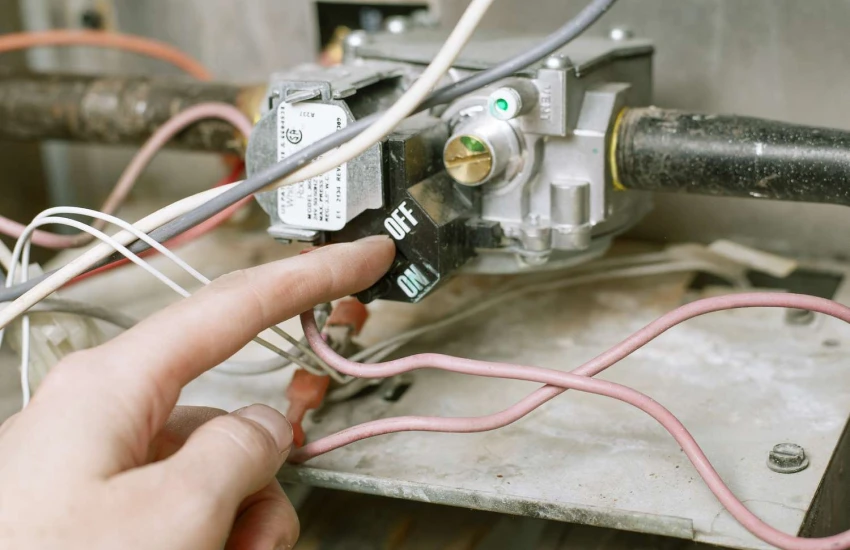
Check out the easy DIY solutions for the common heater and furnace issues. This comprehensive guide covers everything from thermostat problems to blower motor maintenance, helping you keep your home warm and cozy. Know when to tackle repairs yourself and when to call in the professionals.
How to fix or replace a flame sensor?
When your furnace keeps shutting off after a few seconds, a faulty flame sensor might be the culprit. Understanding how to diagnose and fix flame sensor issues can save you from chilly nights and expensive emergency calls. Let’s explore the world of flame sensor maintenance and repair!
Your fridge is a kitchen superstar as it keeps all your food fresh and drinks cold.
But does the fridge feel warm when you open it?
Is there water all over the floor?
Fridge issues are the worst!
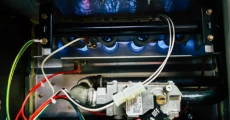
What is a Flame Sensor? The Safety Guardian of Your Furnace
The flame sensor is your furnace’s watchdog, ensuring gas only flows when there’s a flame:
- It’s a small metal rod that sits in front of your furnace’s flame
- Monitors the flame during operation to prevent gas leaks
- Usually appears as a straight or slightly bent metallic rod
- Works through a process called flame rectification
Common Flame Sensor Problems: Spotting the Signs
Your flame sensor will tell you when it needs attention:
- The furnace starts but shuts down after a few seconds
- Multiple startup attempts before running
- Short cycling behavior
- Inconsistent heating
- Cold air blowing from vents
Cleaning Your Flame Sensor: The First Line of Defense
A dirty sensor is the most common issue, and it’s an easy fix:
- Turn off the power to the furnace
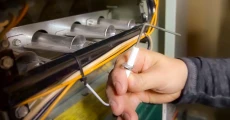
- Remove the sensor (usually one screw)
- Gently clean with fine-grit sandpaper or steel wool
- Wipe with a clean, dry cloth
- Reinstall carefully
Sensor Positioning: Location Matters
Proper placement is crucial for operation:
- Should sit directly in the flame path
- Typically mounted with a single screw
- Must maintain a proper distance from the flame
- A correct angle is essential for the operation
Testing Your Sensor: Beyond the Basics
Before replacing, verify if it’s working:
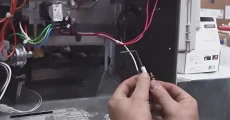
- Use a multimeter to test the microamp draw
- Check for proper flame contact
- Verify secure mounting
- Test all wire connections
Replacement Process: When Cleaning Isn’t Enough
Sometimes a new sensor is necessary:
- Purchase the correct replacement model
- Document wire connections
- Remove the old sensor carefully
- Install the new unit in the exact position
- Test system thoroughly
Safety First: Know When to Call the Pros
Some situations require professional help:
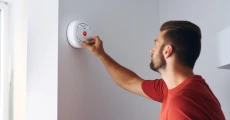
- If you smell gas, exit immediately and call experts
- When cleaning doesn’t resolve the issue
- If physical damage is present
- When wiring appears damaged
- If you’re uncomfortable with any step
Preventive Maintenance: An Ounce of Prevention
Keep your flame sensor working properly:
- Schedule annual professional inspections
- Clean sensor during routine maintenance
- Monitor furnace performance
- Keep the area around the furnace clean
- Document any unusual behavior
Importance of Regular Checks
Prevention is better than repair:
- Mark your calendar for annual maintenance
- Keep detailed service records
- Pay attention to startup behavior
- Monitor running cycles
Takeaway
While flame sensor maintenance can be a DIY project, safety should always be your top priority. When in doubt, don’t hesitate to reach out to our team of skilled technicians at CLT Appliance for heating repair charlotte nc. We’re here to ensure your furnace operates safely and efficiently all season long.
FAQs
Annual cleaning is recommended, though dusty environments may require more frequent attention.
This is often due to a dirty or faulty flame sensor failing to detect the flame properly.
While possible, removing the sensor allows for more thorough cleaning and better results.
Replacement sensors typically cost $30-80, plus installation if professionally done.
With proper maintenance, flame sensors usually last 5-10 years before needing replacement.
Don't let a malfunctioning Heater disrupt your daily life. Contact CLT Appliance Repair today at 704-606-9043 to schedule your Heater repair service.
We'll have your Heater back to optimal performance in no time!
Dryer Repair Charlotte NC | Washing Machine Repair Charlotte NC | Refrigerator Repair Charlotte NC | Microwave Oven Repair Charlotte NC | Freezer Repair Charlotte NC | Dryer Vent Cleaning Charlotte NC | Dishwasher Repair Charlotte NC | Cooktop Repair Charlotte NC | Stove Repair Charlotte NC | Charlotte Ice Maker Repair | Garbage Disposal Repair Charlotte NC | Plumbing Repair Charlotte NC | Water Heater Repair Charlotte NC
Admiral Appliance Repair | Amana Appliance Repair | Bosch Appliance Repair | Electrolux Appliance Repair | Frigidaire Appliance Repair | General Electric Appliance Repair | Haier Appliance Repair | Hotpoint Appliance Repair | Jenn-Air Appliance Repair | Kenmore Appliance Repair | KitchenAid Appliance Repair | LG Appliance Repair | Magic Chef Appliance Repair | Maytag Appliance Repair | Roper Appliance Repair | Samsung Appliance Repair | Speed Queen Appliance Repair | Whirlpool Appliance Repair | Dacor Appliance Repair | Viking Appliance Repair | Thermador Appliance Repair | Sub-Zero Appliance Repair | Wolf Appliance Repair | Monogram Appliance Repair | Bertazonni Appliance Repair | BlueStar Appliance Repair | Thor Appliance Repair | Miele Appliance Repair | Cafe Appliance Repair | GE Appliance Repair
Freezer Repair Indian Land SC | Freezer Repair Indian Trail NC | Freezer Repair Pineville NC | Freezer Repair Rock Hill SC | Freezer Repair Belmont NC | Freezer Repair Matthews NC | Freezer Repair Lancaster SC | Freezer Repair Cornelius NC | Freezer Repair Fort Mill SC | Freezer Repair Concord NC | Freezer Repair Denver NC | Freezer Repair Monroe NC | Freezer Repair Mooresville NC | Freezer Repair Harrisburg NC | Freezer Repair Lake Wylie SC | Freezer Repair Huntersville NC | Freezer Repair Kannapolis NC | Freezer Repair Mint Hill NC | Freezer Repair Waxhaw NC | Freezer Repair Troutman NC | Freezer Repair Davidson NC | Freezer Repair Gastonia NC | Freezer Repair Charlotte NC