
How to Eliminate Bad Odors from Freezers?
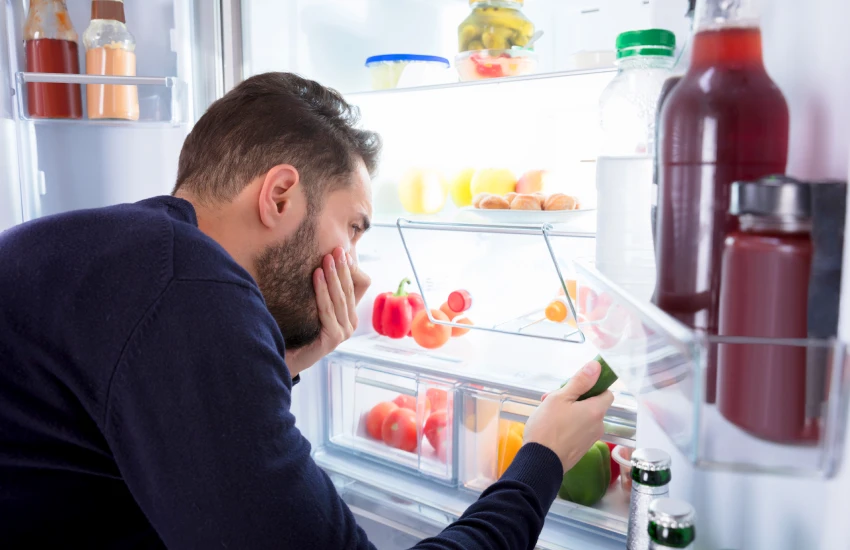
Open a freezer and get hit with a bad smell, and you already know something went wrong in there. Maybe a bag of shrimp leaked two months ago. Maybe the power went out while you were on vacation, and everything thawed. Or maybe nothing obvious happened, and the freezer slowly started smelling off. Whatever the reason, that odor is not going away on its own. It gets into the plastic, the rubber seals, and sometimes even the insulation behind the walls. Getting rid of it takes more than a quick wipe.
Why Freezers Start Smelling Bad
Bad freezer odors almost always trace back to one of three sources. Identifying which one you are dealing with determines how aggressive your cleaning needs to be.
- Spoiled or leaking food is the most common cause. A package of raw chicken drips onto a shelf, refreezes, and sits there for weeks. The smell builds slowly until it is impossible to ignore.
- Absorbed odors over time happen when strong-smelling foods like fish, onions, or garlic are stored without proper wrapping. The plastic interior absorbs those smells gradually.
- Post-power-outage spoilage is the worst-case scenario. When a freezer full of meat and seafood thaws and sits at room temperature for hours, the resulting odor can be severe enough to permanently saturate the insulation.
Your fridge is a kitchen superstar as it keeps all your food fresh and drinks cold.
But does the fridge feel warm when you open it?
Is there water all over the floor?
Fridge issues are the worst!
The Full Cleanup Process
Half measures do not work with freezer odors. A surface wipe might mask the smell for a day, but it comes back. The process below eliminates the source and clears what has been absorbed.
Pull Everything Out
Remove all food, shelves, drawers, and ice trays. Sort through everything and throw away anything that is spoiled, leaking, freezer-burned, or unidentifiable. Be honest with yourself here. If you cannot remember when you put it in there, it goes.
Place the food you are keeping in a cooler with ice packs. If there is heavy ice buildup inside, unplug the freezer and let it defrost fully. Lay towels around the base to catch the runoff.
Scrub Every Surface
Once the freezer is empty and defrosted, wash every interior surface. Walls, ceiling, floor, door seal grooves, shelf tracks, and the undersides of drawers all need attention. A baking soda solution (2 tablespoons per quart of warm water) handles general odor and residue well. Equal parts white vinegar and warm water cut through grease and bacteria. Plain dish soap and warm water work for surface grime. Use whichever matches the severity of what you are dealing with.
Rinse with clean water after scrubbing and dry everything completely with a towel. Moisture left behind creates new problems.
For severe cases, especially after spoiled meat, the USDA recommends following up with a sanitizing wipe using 1 tablespoon of liquid bleach per gallon of water. Rinse and dry again after sanitizing.
Let Odor Absorbers Do the Heavy Lifting
Cleaning removes the source. Absorbers pull out what has settled into the plastic and rubber. Place one or more of these inside the empty, running freezer and keep the door closed for 1 to 3 days:
- Baking soda spread flat on a tray or in an open box
- Activated charcoal briquettes on a baking sheet
- Dry coffee grounds on a plate
- Clean, unused cat litter in a shallow pan
After a few days, remove the absorbers, wipe the interior one more time, and leave the door open for 15 to 20 minutes to air out before putting food back in.
Go Deeper If the Smell Survives
If the odor is still there after cleaning and absorbing, it has reached areas you cannot see. Spilled liquids travel. They pool in drip pans underneath the unit, collect in drain lines, and seep into gaps between the interior liner and the insulation.
Pull the freezer away from the wall. Find the drip pan (usually at the bottom rear) and wash it with hot, soapy water. Flush the drain line with a warm baking soda solution. Check the seams inside the freezer where the liner meets the walls for discoloration or residue.
If odors have penetrated the insulation itself, no amount of surface cleaning will fix it. That is when a technician needs to assess whether the unit can be salvaged or whether replacement is the more practical option.
Putting Food Back the Right Way
A clean freezer stays clean only if the food going back in is stored properly. Bad storage habits are what caused the problem in the first place, so changing them prevents a repeat. Here is how to reload the right way:
- Use airtight containers or heavy-duty freezer bags so smells stay sealed inside the packaging
- Double wrap fish, garlic, onions, and anything strong to add an extra barrier
- Label and date every item so you know what is in there and when it went in
- Move older items to the front and place newer ones in the back to rotate stock
- Leave space between items so cold air circulates evenly and nothing gets trapped in a warm pocket
Keeping It Fresh Going Forward
Prevention takes five minutes a month and saves you from ever doing a full deep clean again. Build these habits into your routine:
- Keep an open box of baking soda in the freezer at all times and swap it out every 30 days
- Scan for leaking packages, expired items, and spills once a month
- Wipe the door seal with a damp cloth to clear food particles and grime from the grooves
- Do a light interior wipe down with baking soda or vinegar solution every few months
- Schedule a manual defrost and full cleaning at least twice a year if your freezer does not have automatic defrost
These small habits compound. A freezer that gets five minutes of attention each month rarely develops a serious odor problem.
When the Smell Will Not Go Away
You have cleaned, sanitized, absorbed, and aired it out. The smell is still there. That means the problem has moved past what surface cleaning can reach. Signs that point to a deeper issue include:
- Persistent odor after multiple deep cleans and days of activated charcoal or baking soda
- Discoloration or staining around interior seams, where liquids may have seeped behind the liner
- A musty or rotten smell that returns within hours of cleaning
- Mechanical issues like unusual noises or temperature fluctuations, alongside the odor
These symptoms usually indicate that spoiled liquids have soaked into the insulation or that a failing compressor or clogged drain is contributing to bacterial growth. A qualified technician can open the unit, inspect beyond the liner, and determine whether the freezer can be repaired.
After extended power outages where large quantities of meat or seafood spoiled, replacement is sometimes the only realistic option. The cost of repeated professional cleaning attempts on a saturated unit often exceeds the price of a new freezer.


Takeaway
A freezer smell that survives a proper deep clean and days of odor absorbers is telling you something has gone deeper than the surface. Everything else clears up with the process above. The key is being thorough the first time and building small habits that stop odors from developing again.
We have cleaned out freezers across Charlotte that smelled like nothing could save them, and most of the time, we got them back to normal. That is what we do at CLT Appliance Repair. When the DIY route has run its course, and the smell is still hanging on, our technicians can get inside the unit and find out what is really going on. And if it turns out a new freezer makes more sense than another round of repairs, we will be straight with you about that, too.
FAQs
Empty it, throw away spoiled or questionable food, scrub all interior surfaces and removable parts with warm water and baking soda or vinegar solution, let it dry and air out, then run it with open containers of baking soda, coffee grounds, or activated charcoal for a couple of days to absorb any lingering odors.
Dispose of all spoiled food, wash and sanitize every surface with hot water, detergent, and a mild bleach or baking soda solution, leave the door open to air out for several days, and then place odor absorbers like charcoal briquettes, baking soda, coffee grounds, or crumpled newspaper inside until the smell fades. In extreme cases, replacement may be the only solution.
Store strong-smelling foods in tightly sealed containers, keep an open box of baking soda in the freezer and replace it regularly, do quick monthly checks for spills or spoiled items, and manually defrost and clean on a schedule if your freezer does not have automatic defrost.
Don't let a malfunctioning Freezer disrupt your daily life. Contact CLT Appliance Repair today at 704-606-9043 to schedule your freezer repair service.
We'll have your freezer back to optimal performance in no time!
Freezer Repair Indian Land SC | Freezer Repair Indian Trail NC | Freezer Repair Pineville NC | Freezer Repair Rock Hill SC | Freezer Repair Belmont NC | Freezer Repair Matthews NC | Freezer Repair Lancaster SC | Freezer Repair Cornelius NC | Freezer Repair Fort Mill SC | Freezer Repair Concord NC | Freezer Repair Denver NC | Freezer Repair Monroe NC | Freezer Repair Mooresville NC | Freezer Repair Harrisburg NC | Freezer Repair Lake Wylie SC | Freezer Repair Huntersville NC | Freezer Repair Kannapolis NC | Freezer Repair Mint Hill NC | Freezer Repair Waxhaw NC | Freezer Repair Troutman NC | Freezer Repair Davidson NC | Freezer Repair Gastonia NC | Freezer Repair Charlotte NC