
Freezer Defrost Drain Problems Explained
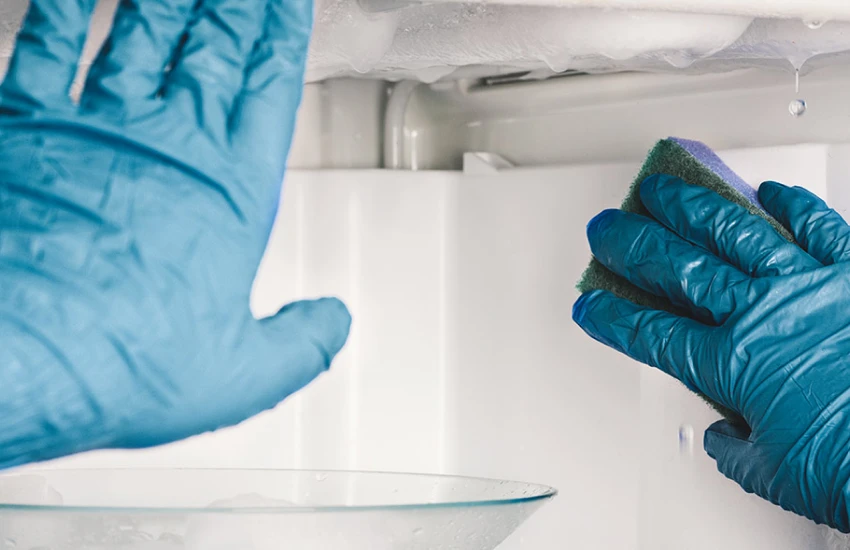
The defrost drain is one of those freezer components nobody thinks about until it fails. During each automatic defrost cycle, the heating element melts frost from the evaporator coils, and that water needs somewhere to go. The drain carries it down to a pan beneath the unit where it evaporates.
When the drain gets blocked, frozen, or develops a fault, the effects are visible and fast. Freezer defrost drain problems cause leaks, ice buildup, and temperature issues that get worse with every cycle that runs. This guide covers each problem individually: what it looks like, what causes it, and how to fix it.
Your fridge is a kitchen superstar as it keeps all your food fresh and drinks cold.
But does the fridge feel warm when you open it?
Is there water all over the floor?
Fridge issues are the worst!
Drain Is Blocked by Debris
What happens | Water backs up during the defrost cycle and pools on the floor of the compartment or spills out from under the unit |
What causes it | Food particles, ice fragments, and general debris wash down the drain over time and accumulate at the drain opening or further down the line |
How to spot it | Water on the freezer floor with no obvious source, food at the bottom of the compartment getting damp, or dripping from the front of the appliance |
How to fix it: Unplug the freezer and locate the drain hole at the rear of the compartment floor, usually beneath a plastic cover. Use a thin brush or a turkey baster filled with warm water to flush the opening. Repeat until water flows freely into the pan below. If warm water does not clear it, a flexible drain snake pushed gently into the hole will break up deeper blockages.
Drain Line Is Frozen Solid
This is one of the most common freezer defrost drain problems and is easily confused with a debris blockage because the symptoms are identical. The difference is that flushing with warm water has little effect on a frozen drain and the ice reforms quickly after clearing.
What Causes It:
- The defrost heater is not generating enough heat to keep the drain opening warm during the cycle
- The drain strap, a small copper strip that conducts heat from the heater to the drain, is missing, corroded, or displaced
- The freezer is operating in a very cold environment such as an unheated garage, causing the drain to refreeze between cycles
What It Looks Like:
- The drain cleared but froze again within a day or two
- You can feel or see solid ice in the drain opening
- Warm water poured in disappears but then backs up again shortly after
How to fix it: With the freezer unplugged, allow the unit to warm to room temperature for two to four hours. Place towels around the base to catch the water. Once the ice has melted, inspect the drain strap. If it is corroded, bent away from the drain, or missing entirely, replace it. Drain straps are inexpensive, and the correct part for your model can be found using the model number on the rating label inside the door.
Water Is Leaking From the Bottom of the Freezer
Water on the kitchen floor that appears to come from beneath the freezer is a clear sign the drainage system has a problem, though it does not always mean the drain itself is blocked.
Possible Causes:
- The drain pan beneath the unit has cracked or is sitting incorrectly, allowing water to overflow before it can evaporate.
- The drain line between the freezer compartment and the pan has become disconnected or cracked.
- The pan is positioned correctly, but the volume of water from a partial blockage is overwhelming its capacity.
How to spot the difference:
Slide the drain pan out from beneath the unit. If it is full or overflowing, the pan is receiving water but cannot evaporate it fast enough, so check for cracks and confirm the pan is sitting level. If the pan is empty or very low, the water is not reaching the pan, and the drain line itself is the problem. Inspect the line between the compartment and the pan for cracks, kinks, or disconnections.
How to fix it: Replace a cracked pan with the correct part for your model. Reconnect or replace a damaged drain line. If the pan is intact and connected but consistently overflowing, the defrost cycle frequency may have increased due to a fault in the defrost timer or heater. This separate fault needs diagnosing alongside the drain.
Ice Is Building Up on the Freezer Floor
Ice accumulating on the floor of the freezer compartment, particularly at the rear, is one of the most recognizable freezer defrost drain problems. It develops gradually over multiple defrost cycles as water that cannot drain refreezes inside the compartment.
What Causes the Ice To Form:
- Each defrost cycle melts frost from the coils
- The water cannot exit through the blocked or frozen drain
- It pools on the compartment floor and refreezes during the next cooling cycle
- The ice layer grows thicker with each cycle until it becomes a solid block
Signs the ice is the problem and not something else:
- The ice is located at the rear of the floor near the drain opening rather than on the walls or ceiling
- Removing the ice temporarily solves the problem, but it returns within a few days
- The freezer temperature is unaffected initially but begins rising as the ice block grows and restricts airflow
How to fix it: Unplug the freezer and allow the ice to melt fully before addressing the drain, as removing ice manually risks damaging the floor liner. Once the compartment is clear, flush the drain with warm water to confirm it is open and flowing. If the drain clears but ice returns within a week, the drain strap needs replacing to prevent the drain from refreezing between cycles.
The Drain Strap Is Missing or Corroded
Freezer defrost drain problems that keep coming back despite clearing the drain almost always trace to the drain strap. This small copper or metal strip runs from the defrost heater to the drain opening and keeps it warm enough to prevent refreezing. When it is gone or compromised, the drain will refreeze on every cycle regardless of how well it was cleared.
What It Looks Like
- The drain clears but freezes again within one to three days
- Visible corrosion or physical damage on the strap where it contacts the drain
- The strap has pulled away from the drain opening or is missing entirely
What Causes Strap Failure
Corrosion is the most common cause, particularly in older freezers or those in humid environments. Physical displacement happens when the drain or surrounding components are disturbed during previous repairs. Some models ship without a strap or with a design that leaves the drain opening inadequately heated.
How to Fix It
Order a replacement drain strap using the freezer model number. Remove the rear access panel inside the compartment to reach the evaporator and drain assembly. Fit the new strap with one end in contact with the defrost heater and the other resting in or directly against the drain opening. Reassemble the panel and run the freezer through at least one full defrost cycle before confirming the fix has worked.


Takeaway
Freezer defrost drain problems show up in five distinct ways: a debris blockage, a frozen drain line, water leaking beneath the unit, ice building up on the compartment floor, and a missing or corroded drain strap. Each has a clear cause and a clear fix, and most can be resolved at home without specialist tools.
CLT Appliance Repair handles freezer defrost drain repairs, drain strap replacements, and full appliance diagnostics across the Charlotte area. If the problem keeps coming back or the freezer is showing multiple faults, the team can identify the root cause and fix it correctly.
Reach out, and the team will take a look.
FAQs
Water pooling on the compartment floor, ice buildup at the rear of the freezer, water leaking from beneath the unit, and a drain that refreezes quickly after clearing are the main signs.
The drain strap is either missing, corroded, or no longer in contact with the drain opening. The strap conducts heat from the defrost heater to keep the drain warm. Without it, the drain refreezes on every cycle.
Yes. Unplug the freezer, allow the ice to melt, flush the drain with warm water, and inspect the drain strap. Most fixes require no specialist tools and the parts are inexpensive.
Ice can build to a damaging level within one to two weeks of a drain blockage. Water leaking under the unit can damage flooring faster. Address the problem as soon as the signs appear.
Don't let a malfunctioning Freezer disrupt your daily life. Contact CLT Appliance Repair today at 704-606-9043 to schedule your freezer repair service.
We'll have your freezer back to optimal performance in no time!
Freezer Repair Indian Land SC | Freezer Repair Indian Trail NC | Freezer Repair Pineville NC | Freezer Repair Rock Hill SC | Freezer Repair Belmont NC | Freezer Repair Matthews NC | Freezer Repair Lancaster SC | Freezer Repair Cornelius NC | Freezer Repair Fort Mill SC | Freezer Repair Concord NC | Freezer Repair Denver NC | Freezer Repair Monroe NC | Freezer Repair Mooresville NC | Freezer Repair Harrisburg NC | Freezer Repair Lake Wylie SC | Freezer Repair Huntersville NC | Freezer Repair Kannapolis NC | Freezer Repair Mint Hill NC | Freezer Repair Waxhaw NC | Freezer Repair Troutman NC | Freezer Repair Davidson NC | Freezer Repair Gastonia NC | Freezer Repair Charlotte NC