Microwave Door Switch Repair: A | Comprehensive DIY Guide
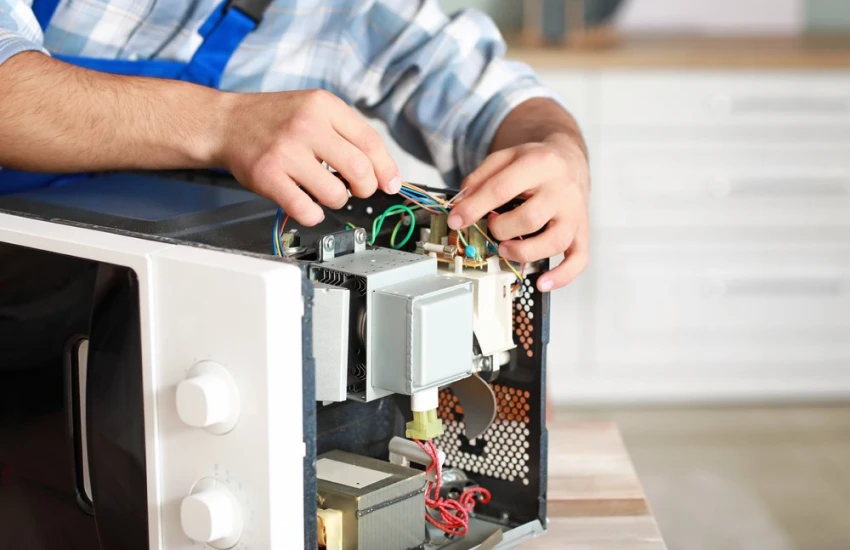
This comprehensive guide walks you through the process of diagnosing and repairing microwave door switch problems. Learn to identify signs of malfunction, follow crucial safety steps, and perform a DIY repair with our expert tips. Find when to seek professional help and how to maintain your microwave for longevity.
Microwave Door Switch Repair: A Comprehensive DIY Guide
Is your microwave acting up? The culprit might be hiding right behind its door. Microwave door switches are crucial yet often overlooked components that ensure your appliance operates safely and efficiently. In this guide, we’ll unravel the mysteries of microwave door switch problems and equip you with the knowledge to tackle them head-on. Whether you’re a DIY enthusiast or simply looking to understand your appliance better, this blog is your gateway to mastering microwave maintenance
Your fridge is a kitchen superstar as it keeps all your food fresh and drinks cold.
But does the fridge feel warm when you open it?
Is there water all over the floor?
Fridge issues are the worst!
Understanding Microwave Door Switches
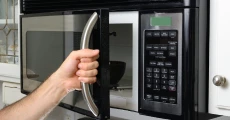
Microwave door switches are the unsung heroes of kitchen safety. These tiny sentinels stand guard, ensuring that your microwave only operates when the door is securely closed. But what exactly are they?
Imagine a secret handshake between your microwave door and its inner workings. That’s essentially what door switches do. They come in three flavors:
- Normally open switches: The shy ones that only make contact when pressed.
- Normally closed switches: The clingy types that break contact when pressed.
- Common switches: The social butterflies that connect the other two.
Together, this trio forms an intricate safety ballet, choreographing the microwave’s operations based on the door’s position.
Signs of a Faulty Door Switch
Your microwave might be trying to tell you something. Listen closely:
- The Silent Treatment: Your microwave refuses to start, despite your polite button pressing.
- The Rebel: The fan and turntable spin freely, even when the door’s wide open.
- The Nagger: Your microwave keeps displaying “open and close door” like a broken record.
- The Tease: Everything works fine, except for the actual heating. Talk about a cold shoulder!
If you’re nodding along to any of these scenarios, congratulations! You’ve just diagnosed a potential door switch problem.
Safety Precautions
Before we dive into the repair process, let’s talk about safety. Microwaves aren’t just innocent food warmers; they’re high-voltage machines that demand respect.
- Unplug Power: Always start by unplugging your microwave. No exceptions!
- Wait it Out: Give your microwave a 24-hour time-out. This allows the high-voltage capacitor to discharge, reducing the risk of electric shock.
- Know Your Limits: Unless you’re a certified technician, steer clear of the magnetron and other high-voltage components. They’re not worth the risk.
Remember, safety isn’t just a step; it’s the foundation of every successful repair.
Step-by-Step Repair Guide
Ready to channel your inner technician? Let’s get started:
Accessing the Switches:
- Remove the screws holding the outer casing or control panel.
- Gently pry off the panel to reveal the microwave’s inner workings.
- Locate the door switches near the latch mechanism.
Testing the Switches:
- Grab a multimeter and set it to continuity mode.
- For normally open switches: No beep when unpressed, beep when pressed.
- For normally closed switches: Beep when unpressed, no beep when pressed.
- Listen for a satisfying click when pressing the switch.
Replacing the Faulty Switch:
- Take a before picture or sketch the wiring configuration.
- Carefully remove the old switch.
- Install the new switch, ensuring it’s the correct type.
- Reconnect the wires exactly as they were before.
Reassembly and Testing:
- Put everything back together, making sure all components are secure.
- Plug in your microwave and run a test.
- Check that the door operates smoothly and the microwave functions correctly.
Troubleshooting Tips
Sometimes, things don’t go as planned. Here are some troubleshooting tips:
- If switches fail frequently, inspect the door latch for wear or misalignment.
- Consider replacing all door switches at once, as they often wear out together.
- If you’re stuck at any point, don’t force it. Take a step back and reassess.
Preventive Maintenance
Here are some tips to keep your appliance in top shape:
- Clean your microwave regularly, especially around the door seal.
- Avoid slamming the door or forcing it closed.
- Check the door alignment periodically.
- Listen for any unusual sounds when opening or closing the door.
Wrap Up
Congratulations! You’ve just leveled up your microwave repair skills. By understanding the intricacies of door switches and following our step-by-step guide, you’re now equipped to tackle this common appliance issue. While DIY repairs can save time and money, safety should always be your top priority.
Ready to take on your microwave door switch problems? Or perhaps you’d like a professional like CLT Appliance Repair to handle microwave repair charlotte nc? Either way, you’re now prepared to make an informed decision. Happy repairing!
FAQs
Microwave door switches usually last 5-10 years, depending on usage and maintenance. However, frequent use or rough handling can shorten their lifespan.
No, it’s not safe to use a microwave with a faulty door switch. This could lead to microwave radiation leakage or other safety hazards. Always repair or replace faulty switches before use.
The cost of a door switch itself is typically between $5-$20. If you’re hiring a professional, labor costs can add $50-$100 to the total. DIY repair can save on labor costs if done safely and correctly.
No, microwave door switches can vary in type (normally open, normally closed, or common) and physical design. Always ensure you’re using the correct replacement for your specific microwave model.
Regular cleaning, gentle door operation, and avoiding slamming the door can help prolong the life of your microwave door switches. Also, ensure your microwave is on a stable surface to prevent excessive vibration.
Don't let a malfunctioning Microwave disrupt your daily life. Contact CLT Appliance Repair today at 704-606-9043 to schedule your oven repair service.
We'll have your Microwave back to optimal performance in no time!
Freezer Repair Indian Land SC | Freezer Repair Indian Trail NC | Freezer Repair Pineville NC | Freezer Repair Rock Hill SC | Freezer Repair Belmont NC | Freezer Repair Matthews NC | Freezer Repair Lancaster SC | Freezer Repair Cornelius NC | Freezer Repair Fort Mill SC | Freezer Repair Concord NC | Freezer Repair Denver NC | Freezer Repair Monroe NC | Freezer Repair Mooresville NC | Freezer Repair Harrisburg NC | Freezer Repair Lake Wylie SC | Freezer Repair Huntersville NC | Freezer Repair Kannapolis NC | Freezer Repair Mint Hill NC | Freezer Repair Waxhaw NC | Freezer Repair Troutman NC | Freezer Repair Davidson NC | Freezer Repair Gastonia NC | Freezer Repair Charlotte NC