
Microwave Fuse Problems: Signs, Causes, and When to Call a Pro
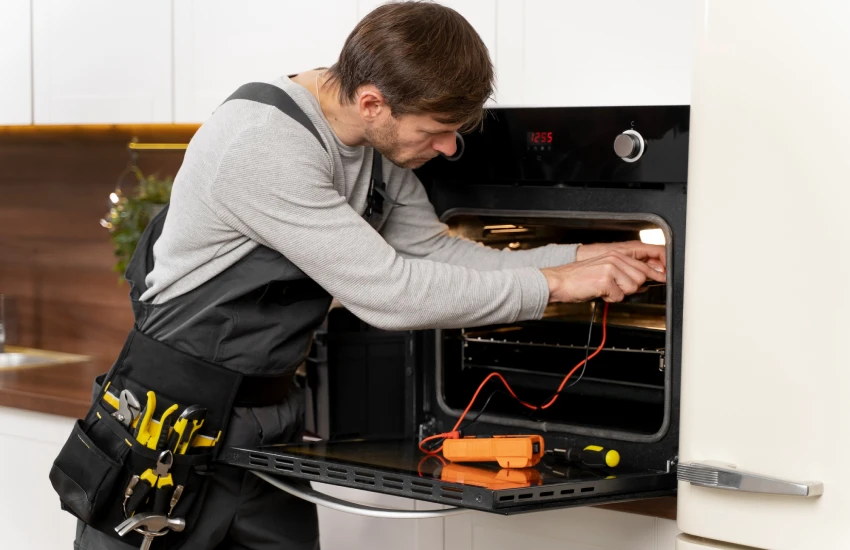
A blown fuse is one of the most common reasons a microwave goes completely dead, and it catches most people off guard. Almost every home in the country has at least one microwave, so when one stops working without warning, it is a near-universal headache.
The fuse itself is a small safety component, but the problems behind a blown one are not always small. Understanding what caused it is just as important as knowing it blew, and in some cases far more important.
Your fridge is a kitchen superstar as it keeps all your food fresh and drinks cold.
But does the fridge feel warm when you open it?
Is there water all over the floor?
Fridge issues are the worst!
What A Microwave Fuse Does
The fuse is a protective device built into the microwave’s power circuit. Its job is to cut all electrical power the instant it detects a surge, short, or fault in the system, which is why the microwave goes completely silent when one blows. No display, no interior light, no turntable response.
This protective role is part of a broader safety architecture built into every microwave. The FDA requires every microwave oven to carry two independent interlock systems that shut off operation the instant the door opens, along with strict limits on radiation leakage. The fuse sits alongside these systems as an additional line of defence against electrical faults, and when it acts, it is doing exactly what it was designed to do.
Common Signs You Have a Microwave Fuse Problem
Microwave fuse problems tend to present in a fairly consistent way, though the specific symptom depends on which fuse has failed and what caused it.
The most reliable indicators are:
- The unit is completely dead with no display, no interior light, and no response to any button
- The turntable does not spin, and the microwave produces no heat, even though the display appears on
- The microwave trips the circuit breaker or blows a household fuse when plugged in
- The unit powers on briefly and then cuts out immediately before completing a cycle
These symptoms overlap with other microwave faults, so a professional diagnosis is the most reliable way to confirm whether the fuse is the issue and whether something else caused it to fail.
5 Major Causes of Microwave Fuse Problems
A fuse does not blow on its own. Something in the electrical system created a condition that exceeded what the fuse was rated to handle, and it responded by cutting the circuit. Several underlying problems can produce that result, and identifying the right one is what determines the correct repair.
Power Surge or Voltage Spike
A sudden spike in the incoming power supply is one of the most straightforward causes. When voltage spikes sharply, the fuse absorbs the overload and sacrifices itself to protect the rest of the appliance. This is the scenario where a single fuse replacement resolves the problem, particularly if the surge came from a storm or a grid disturbance rather than an internal fault.
Faulty Door Interlock Switch
The door interlock switch is one of the most common causes of a blown microwave fuse. Most microwaves carry multiple interlock switches that work together to prevent the unit from operating with the door open.
When one of these switches wears out, sticks, or misaligns, it can create a momentary short circuit that sends excessive current through the line fuse and blows it. Replacing the fuse without addressing the faulty switch will simply produce the same result again.
Failed High-Voltage Diode
The high-voltage diode converts alternating current to direct current to power the magnetron. When it fails and shorts internally, it creates a direct path for excessive current to flow through the circuit, which the fuse detects and interrupts. A shorted diode is a relatively common fault in older microwaves and produces a distinctive burning smell alongside the fuse failure in some cases.
Faulty Magnetron
The magnetron is the component that actually generates the microwave energy used to heat food. As it ages, it can develop internal shorts that draw far more current than the circuit is designed to handle, causing the fuse to blow as a protective response.
A faulty magnetron is a more serious and costly fault than most other microwave repairs. In older units, it often tips the balance toward replacement rather than repair, and a professional assessment is the most reliable way to determine which direction makes more sense.
Shorted Capacitor
The high-voltage capacitor stores and releases electrical energy as part of the microwave’s power circuit. When it begins to fail, it can draw enough current to blow the line fuse repeatedly. A shorted capacitor is also one of the more hazardous components to deal with, as it can retain a significant electrical charge even after the unit is unplugged.
Microwave ovens account for about 4% of home cooking fires, and a unit with an unresolved electrical fault is a genuine risk. Replacing the fuse without diagnosing the underlying cause is not a repair. It is a delay.
Why a Fuse That Keeps Blowing Is a Red Flag
A fuse that blows once and stays resolved after replacement is a different situation from one that fails a second or third time. Repeat failures are the clearest signal that the fuse was never the actual problem. Something else in the system is drawing excessive current, and the fuse is simply responding to it each time.
This pattern matters because continuing to replace fuses without finding the root cause does not make the appliance safer. It keeps a faulty microwave in use while the underlying fault remains active. Each cycle puts additional stress on other components, and in some cases creates conditions that carry real safety risk.
When a fuse blows a second time, the right response is diagnosis instead of another fuse.
Hidden Danger Inside a Microwave
Microwaves are not like most household appliances when it comes to internal electrical hazards. The high-voltage capacitor inside a microwave can retain a powerful electrical charge for an extended period after the unit has been unplugged, and contact with a charged capacitor is a serious risk.
This is the reason that microwave fuse problems are not treated the same way as a blown fuse in a lamp or a standard kitchen appliance. Unplugging the unit removes the power source but does not eliminate the stored charge in the capacitor. A technician trained to work on high-voltage appliances knows how to discharge that component safely before touching anything inside.
It is a step that is easy to overlook and one where the consequences of getting it wrong are severe. For this reason alone, internal microwave repairs are a job that warrants professional handling.
When to Call a Professional for Microwave Fuse Problems?
Some microwave fuse situations are straightforward, and some carry risks or complexity that make professional diagnosis the clear choice. The following situations call for a trained technician rather than a DIY approach:
- The fuse has blown more than once
- The microwave shows burn marks, a burning smell, or any sign of arcing
- The unit is an over-the-range or built-in model
- A major component such as the capacitor, magnetron, diode, or interlock switch is suspected
- The high-voltage components inside make you uneasy about proceeding
When the problem goes beyond a single fuse, our team at CLT Appliance Repair diagnoses and repairs microwaves with the training and tools to handle the high-voltage side safely. Every repair comes with a guarantee and upfront pricing.
Call us to get your microwave properly diagnosed.

Conclusion
Microwave fuse problems range from a straightforward single-fuse failure caused by a power surge to a symptom of a more serious internal fault that requires proper diagnosis. The fuse is a safety device, and when it acts, it is telling you something about the condition of your appliance.
A fuse that blows once and stays resolved is a minor repair. A fuse that blows again is a signal that the real problem has not been found. Either way, the high-voltage components inside a microwave make this a repair that deserves careful handling and, in most cases, a professional eye.
If your microwave has gone dead or keeps blowing fuses, CLT Appliance Repair diagnoses and repairs microwaves across Charlotte safely and reliably. Get a satisfaction guarantee, upfront pricing, and a discount on your first visit.
Call 704-606-9043 today to book your appointment.
FAQs
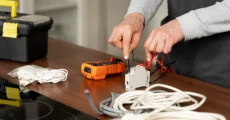
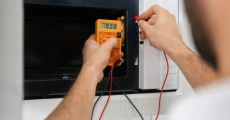
The most common sign is a completely dead microwave with no display, no interior light, and no response to any controls. In some cases, the unit trips a household circuit breaker when plugged in. A multimeter continuity test confirms whether the fuse has failed.
Not quite. A fuse always responds to a condition in the circuit, whether that is a power surge, a shorted component, or a worn interlock switch. If no obvious external cause exists, an internal fault is likely present and should be professionally diagnosed.
No, if the fuse blew due to an internal fault rather than an external surge, continuing to use the appliance without diagnosis keeps a potentially unsafe condition active. Microwave faults can contribute to home cooking fires, so a repeat failure should be treated seriously.
The fuse itself is inexpensive, but if an underlying fault caused it to blow, the total repair cost depends on which component needs attention. A professional diagnosis gives you an accurate picture before any work begins so you can make an informed decision.
If the microwave is older, has blown multiple fuses, or requires a major component repair such as a magnetron or capacitor, replacement often makes more financial sense. A technician can assess the repair cost against the unit’s age and value to help you decide.
Don't let a malfunctioning Microwave disrupt your daily life. Contact CLT Appliance Repair today at 704-606-9043 to schedule your oven repair service.
We'll have your Microwave back to optimal performance in no time!
Freezer Repair Indian Land SC | Freezer Repair Indian Trail NC | Freezer Repair Pineville NC | Freezer Repair Rock Hill SC | Freezer Repair Belmont NC | Freezer Repair Matthews NC | Freezer Repair Lancaster SC | Freezer Repair Cornelius NC | Freezer Repair Fort Mill SC | Freezer Repair Concord NC | Freezer Repair Denver NC | Freezer Repair Monroe NC | Freezer Repair Mooresville NC | Freezer Repair Harrisburg NC | Freezer Repair Lake Wylie SC | Freezer Repair Huntersville NC | Freezer Repair Kannapolis NC | Freezer Repair Mint Hill NC | Freezer Repair Waxhaw NC | Freezer Repair Troutman NC | Freezer Repair Davidson NC | Freezer Repair Gastonia NC | Freezer Repair Charlotte NC